
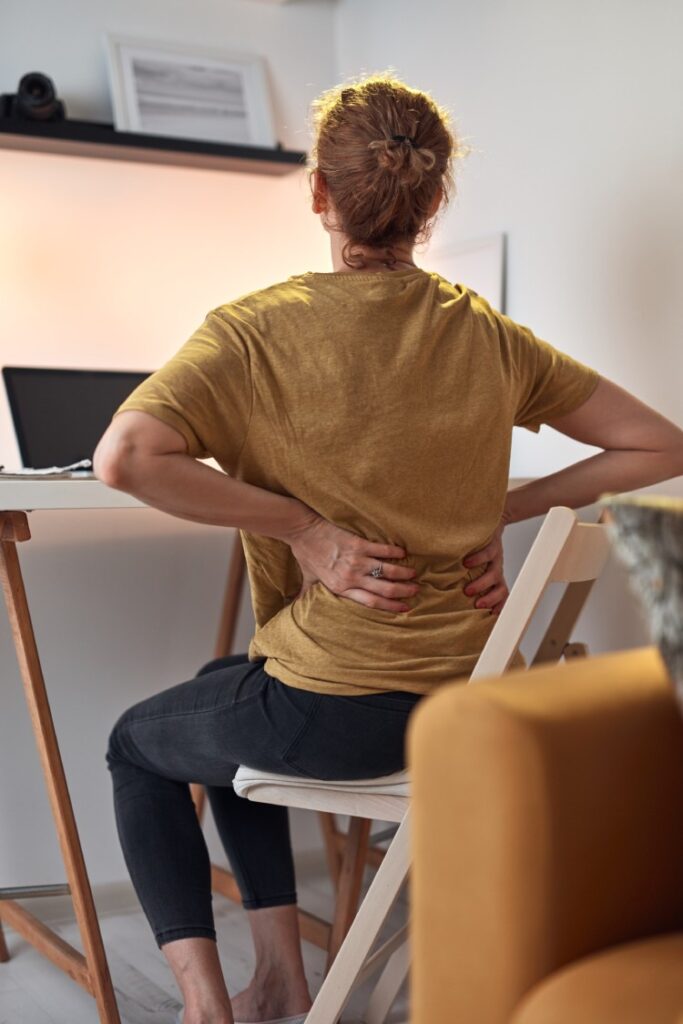
Entering your 40s is a major milestone in life, often accompanied by shifts in physical, emotional, and hormonal health. Scientific data increasingly shows that individuals over 40 face a growing risk of chronic pain, stress-related disorders, and musculoskeletal issues. Fortunately, therapeutic modalities like massage and acupuncture are not just luxuries – they are essential tools for maintaining optimal health. Here’s why massage therapy becomes more than just a treat after 40, especially when viewed through a gender-specific lens.
The Age of Chronic Aches: What Science Says
According to the Centers for Disease Control and Prevention (CDC), the prevalence of chronic pain significantly increases after the age of 40. Among adults aged 45-64, nearly 30% report chronic pain compared to just 15% among those aged 18-44. Chronic back pain, neck stiffness, and joint discomfort become more frequent as muscles and connective tissues lose elasticity.
Gender-Specific Trends:
- Women over 40 are more likely to suffer from fibromyalgia, tension headaches, and osteoarthritis. Hormonal changes during perimenopause and menopause are associated with increased inflammation and decreased pain threshold (Mayo Clinic).
- Men over 40 are more prone to lower back pain and stress-related muscular tension, often related to occupational strain and reduced physical activity (NIH).
Massage therapy, including techniques such as deep tissue, trigger point therapy, and myofascial release, directly targets these conditions. Studies confirm significant reductions in pain intensity and muscle tightness following regular massage treatments (Furlan et al., 2008).
Stress and Cardiovascular Risk: An Invisible Burden
From age 40 onwards, stress-related illnesses become a growing concern. Cortisol levels – the body’s primary stress hormone – remain elevated longer in older adults, contributing to anxiety, hypertension, and sleep disturbances (APA, 2017).
Gender-Specific Impact:
- Women often experience emotional stress more intensely, with a higher risk of anxiety and insomnia (Harvard Health).
- Men show a higher incidence of hypertension and cardiovascular disease after 40 (CDC).
Massage and acupuncture are centerally proven to reduce cortisol levels and enhance parasympathetic nervous system activity. A study found that a 20-minute massage twice weekly for five weeks significantly reduced cortisol and increased serotonin and dopamine (Field et al., 2005).
Metabolism, Mobility, and Mental Health
After 40, metabolism slows down, and joint stiffness or reduced mobility becomes common. Massage therapy promotes lymphatic drainage, improved circulation, and joint flexibility, making it easier to maintain an active lifestyle.
Moreover, the psychological benefits are equally important. Touch therapy releases endorphins and oxytocin, essential for emotional well-being. Women report improved mood and reduced symptoms of depression, while men report better sleep and reduced fatigue following massage and acupuncture sessions (Moyer et al., 2011).
Acupuncture: A Complementary Ally
Acupuncture, rooted in Traditional Chinese Medicine, works synergistically with massage therapy. It has been shown to be effective in managing chronic pain, hormonal imbalances, and stress-related disorders. For example:
- A 2018 study found acupuncture reduces chronic musculoskeletal pain by up to 50% (BMJ, Vickers et al.).
- For women, acupuncture helps regulate menopausal symptoms like hot flashes and mood swings (NIH NCCIH).
- For men, it can support testosterone regulation and energy levels (Yin et al., 2018).
Conclusion: Self-Care Is Not a Luxury After 40 – It’s a Necessity
Scientific evidence clearly supports that both massage – in particular Chinese massage – and acupuncture are more than relaxing indulgences. They are proactive health measures that address age-related physical and emotional challenges in both men and women. Whether you’re dealing with chronic pain, stress, or declining mobility, integrating massage therapy into your lifestyle after 40 is a smart, science-backed decision.
Your body is changing – but with the right support, you can age with strength, grace, and vitality.
Ready to Feel the Difference?
Book your session today — same-day appointments available.
Book Your Session