
When I first studied Traditional Chinese Medicine (TCM), one of the most fascinating discoveries for me was the idea of meridians—the invisible pathways that carry energy through the body. They don’t appear in anatomy textbooks, and modern Western medicine does not recognize them as physical structures. And yet, for thousands of years, they have been central to how Chinese medicine understands health, balance, and healing.
What is interesting is that, even today, many patients who try treatments based on meridian work describe feeling lighter, more balanced, and more at ease. Whether it is through acupuncture, massage, or other techniques, they often notice changes that are difficult to explain in purely physical terms.
What Are Meridians?
Meridians can be thought of as energy highways. Instead of blood or nerves, they carry Qi (life energy) and influence how well our organs, muscles, and even emotions function. There are 12 main meridians, each linked to a specific organ system—like the lung, heart, liver, or kidneys.
When these pathways are open and flowing, the body feels alive, energetic, and in balance. When they are blocked or stagnant, problems may show up as pain, fatigue, mood swings, or other discomforts.

Signs of Imbalance
Many common complaints can be understood in TCM as signs of meridian imbalance:
- Stiff muscles or aching joints
- Constant tiredness or low energy
- Stress, anxiety, or irritability
- Digestive troubles
- Poor sleep or frequent headaches
In practice, I often see that once the meridians are gently “opened,” these issues begin to improve naturally.

What Is Meridian Conditioning?
Meridian conditioning is a way of keeping these pathways healthy and open. It is less about fixing a single symptom and more about maintaining the body’s overall balance. Some of the techniques include:
- Acupuncture or acupressure – stimulating precise points along the meridians
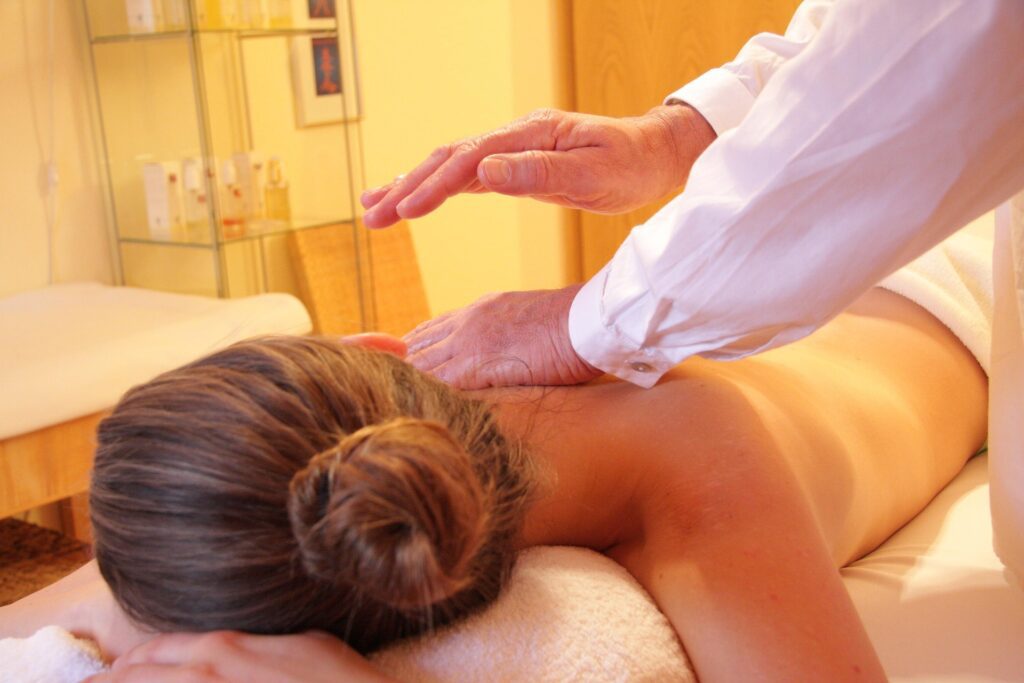
- Tui Na massage – using touch, pressure, and movement to free blocked energy
- Cupping or gua sha – promoting circulation and removing stagnation
- Gentle movement and breathing – such as Tai Chi or Qi Gong, to strengthen the natural flow of energy
I like to think of meridian conditioning as the equivalent of maintaining the roads in a city—if they are clear and well-kept, life moves smoothly.
Why It Matters Today
Modern life is full of stress, poor posture, long hours in front of screens, and irregular routines. All of these can disrupt the body’s natural balance. That is why so many people today are turning to TCM approaches—not to replace modern medicine, but to complement it and support their own well-being.
Even though science has not yet mapped meridians the way it has blood vessels or nerves, what matters most is how people feel. And the truth is, many patients report a deep sense of relaxation, reduced pain, and renewed energy after meridian-based therapies.

A Personal Reflection
Over the years, I have seen people arrive tired, stressed, or in pain—and leave with a calm smile and lighter step. It’s not magic. It’s simply the body responding when the energy begins to flow again.
For me, this work is not just about easing discomfort, but about helping people reconnect with their natural vitality. Whether you see it as energy, circulation, or simply relaxation, the result is often the same: the body feels freer, and the mind feels clearer.
Frequently Asked Questions
- Are meridians scientifically proven?
Modern medicine does not recognize meridians as physical structures. They are not visible under a microscope or in medical imaging. However, many people find that therapies working on meridians bring real relief and improved well-being.
- Can meridian conditioning replace modern medical treatment?
No. TCM should not be seen as a replacement for necessary medical care. Instead, it can be a complementary approach that supports balance, relaxation, and the body’s natural healing processes.
- How many sessions are usually needed?
This varies from person to person. Some people feel noticeable changes after just one or two sessions, while others may benefit from regular treatments to maintain balance.
- Is meridian conditioning safe?
Yes, when performed by a trained professional. Techniques like acupuncture, massage, and cupping are generally safe and have been used for centuries.
- Who can benefit from it?
People of all ages may find benefit—from those with chronic stress or muscle pain to those who simply want to improve their energy and overall balance.

Final Thought
Meridians may not be visible under a microscope, but their effects are real to those who experience them. Meridian conditioning is about nurturing balance, preventing blockages before they turn into bigger problems, and giving the body the chance to heal itself.
As a practitioner, I see it as an invitation—to listen more closely to the body, to care for it gently, and to trust in its natural ability to restore harmony.