Category: Uncategorized


A Growing Couples Trend: Chinese Massage in Tirana


Yang’s Journey: From Liaoning to TCM in Tirana
 In the vast northeastern province of Liaoning, China, lived a modest girl named Yang. She never sought attention, but her quiet strength and inner determination always impressed those who knew her. Yang found happiness in simple, meaningful things — practicing tai chi with her father on quiet mornings, playing basketball with friends in the schoolyard, and watching in admiration as her mother practiced traditional Chinese massage with devotion and gentleness.
From an early age, Yang had a deep connection to body-mind harmony. Her father, a dedicated tai chi practitioner, taught her the philosophy of balance and flow. Her mother, a massage therapist, taught her that healing begins with compassion and genuine presence. Inspired by these teachings, Yang pursued her studies in Traditional Chinese Medicine, specializing in meridian therapy and therapeutic massage.
After several years of study and practice, Yang felt a strong desire to take her knowledge beyond the borders of Liaoning. She dreamed of sharing her culture and healing skills with the world. At the age of 25, with only her knowledge and a heart full of pure intention, she took a bold step and moved to Europe.
Of all the countries she visited, it was Albania that stole her heart. The mountains reminded her of her homeland, while its people welcomed her with warmth and curiosity. She began working in wellness centers in Tirana, offering traditional Chinese massage with care and precision. The beginning was challenging — the language was unfamiliar, the customs different — but Yang faced everything with humility and inner strength.
 Her gentle spirit and extraordinary skill soon attracted loyal clients. Word spread, and more and more people came, not just to relieve pain or stress, but to experience the peace it offered. Over time, Yang built strong connections, made friends who became family, and created a community that appreciated her work.
After six years of dedication, Yang achieved what once seemed like a distant dream: opening her own Chinese massage center in the heart of Tirana. She called it Tai Chi – TCM Wellness and Health, a tribute to her roots in tai chi and Traditional Chinese Medicine, and to the journey that had brought her from Liaoning to Albania.
But that wasn’t the end of her story — it was the beginning of a new chapter.
Starting a business brought new challenges: responsibilities she hadn’t faced before, paperwork in a language she spoke only just enough to be understood, and the pressure to turn her passion into a sustainable living. It was a risky, uncertain, and sometimes exhausting journey. But Yang, like tai chi, faced each step with calm and determination.
She knew well that life is like tai chi — it flows slowly, at its own pace — sometimes difficult, sometimes graceful. With the support of family from afar, the help of friends, and the trust of her beloved clients, Yang jumped into this new chapter, ready to build something not only for herself, but also for all who sought healing, balance, and a moment of peace.
This was the beginning of a new journey — full of risk, challenging, but also exciting and full of hope.


Shiatsu vs Tuina vs Swedish: Which Massage Style Suits You?
Frequently Asked Questions
Q: I’ve never had a massage before. Which style should I start with? Swedish massage is the most accessible entry point — gentle, oil-based, and with no prior experience required. If you’re in Tirana and want something with deeper therapeutic value from your very first session, our Relaxation Massage blends Western comfort with Eastern insight.
Q: What is the difference between Shiatsu and Chinese Tui Na? They sound similar. Both are meridian-based, but the approach differs significantly. Shiatsu uses sustained, stationary pressure and has a meditative quality. Tui Na is more active — rolling, kneading, mobilising — and is used clinically for specific conditions. We break this down in detail in our article: Shiatsu vs Chinese Tui Na Massage.
Q: I have chronic back pain. Which massage is most effective? Chinese Tui Na is considered one of the most clinically effective styles for musculoskeletal pain. It works not just on the muscles but on the underlying Qi imbalances that perpetuate pain cycles. Our Therapeutic Massage is specifically designed for these cases, and can be combined with Acupuncture or Gua Sha & Cupping for enhanced results.
Q: Is Thai massage painful? It can be intense, especially if you have tight hips or hamstrings — but it shouldn’t be sharply painful. Good Thai massage practitioners work within your range and adjust pressure to feedback. The sensation is often described as “good pain” — uncomfortable but immediately releasing.
Q: I feel emotionally drained and burned out. Which massage helps most? Shiatsu and Tibetan-inspired approaches are best suited to nervous system reset and emotional depletion. At Tai Chi Tirana, our Volcanic Stone Therapy and Mud Moxibustion are also particularly effective for deep nervous system calming.
Q: Can I combine different massage styles in one session? Yes — and this is often the most effective approach. At Tai Chi, our practitioners naturally blend Tui Na, acupressure, Gua Sha, and heat therapy based on what your body needs in that session. You don’t need to choose one style rigidly.
Q: How often should I get a massage? For general wellness maintenance: once every 2–4 weeks. For active therapeutic goals (e.g. chronic pain, insomnia, post-injury): weekly or bi-weekly, at least for the first 4–6 sessions. Our practitioners can advise a protocol after your first visit.
Q: Do you offer couple massages and four-hands massages? Yes! These are among our most popular experiences. See our Couple Massage and Four Hands Massage pages to learn more and book.
Conclusion: A Harmonious Blend for Modern Wellness
In today’s world, it’s important to recognize that there is no such thing as a “pure” or isolated form of massage anymore. Over time, traditional techniques have evolved by drawing inspiration from one another—blending methods, philosophies, and healing insights across cultures. Whether it’s the precision of Shiatsu, the flowing rhythm of Swedish massage, or the deep energy work of Chinese Tui Na, each form contributes to the global practice of healing touch.
No matter the style, massage has become more than a luxury—it is a vital support for physical and emotional balance in our fast-paced, often stressful modern lives. Here in Tirana, where the rhythm of city life rarely slows down, taking time for massage therapy is one of the most effective ways to restore inner harmony and resilience.
Not sure which style is right for you? Contact us or simply book a session — our therapists will assess your needs and recommend the most suitable approach. We are located in the centre of Tirana.


Why Massage Therapy Is Essential After 40

Entering your 40s is a major milestone in life, often accompanied by shifts in physical, emotional, and hormonal health. Scientific data increasingly shows that individuals over 40 face a growing risk of chronic pain, stress-related disorders, and musculoskeletal issues. Fortunately, therapeutic modalities like massage and acupuncture are not just luxuries – they are essential tools for maintaining optimal health. Here’s why massage therapy becomes more than just a treat after 40, especially when viewed through a gender-specific lens.
The Age of Chronic Aches: What Science Says
According to the Centers for Disease Control and Prevention (CDC), the prevalence of chronic pain significantly increases after the age of 40. Among adults aged 45-64, nearly 30% report chronic pain compared to just 15% among those aged 18-44. Chronic back pain, neck stiffness, and joint discomfort become more frequent as muscles and connective tissues lose elasticity.
Gender-Specific Trends:
- Women over 40 are more likely to suffer from fibromyalgia, tension headaches, and osteoarthritis. Hormonal changes during perimenopause and menopause are associated with increased inflammation and decreased pain threshold (Mayo Clinic).
- Men over 40 are more prone to lower back pain and stress-related muscular tension, often related to occupational strain and reduced physical activity (NIH).
Massage therapy, including techniques such as deep tissue, trigger point therapy, and myofascial release, directly targets these conditions. Studies confirm significant reductions in pain intensity and muscle tightness following regular massage treatments (Furlan et al., 2008).
Stress and Cardiovascular Risk: An Invisible Burden
From age 40 onwards, stress-related illnesses become a growing concern. Cortisol levels – the body’s primary stress hormone – remain elevated longer in older adults, contributing to anxiety, hypertension, and sleep disturbances (APA, 2017).
Gender-Specific Impact:
- Women often experience emotional stress more intensely, with a higher risk of anxiety and insomnia (Harvard Health).
- Men show a higher incidence of hypertension and cardiovascular disease after 40 (CDC).
Massage and acupuncture are clinically proven to reduce cortisol levels and enhance parasympathetic nervous system activity. A study found that a 20-minute massage twice weekly for five weeks significantly reduced cortisol and increased serotonin and dopamine (Field et al., 2005).
Metabolism, Mobility, and Mental Health
After 40, metabolism slows down, and joint stiffness or reduced mobility becomes common. Massage therapy promotes lymphatic drainage, improved circulation, and joint flexibility, making it easier to maintain an active lifestyle.
Moreover, the psychological benefits are equally important. Touch therapy releases endorphins and oxytocin, essential for emotional well-being. Women report improved mood and reduced symptoms of depression, while men report better sleep and reduced fatigue following massage and acupuncture sessions (Moyer et al., 2011).
Acupuncture: A Complementary Ally
Acupuncture, rooted in Traditional Chinese Medicine, works synergistically with massage therapy. It has been shown to be effective in managing chronic pain, hormonal imbalances, and stress-related disorders. For example:
- A 2018 study found acupuncture reduces chronic musculoskeletal pain by up to 50% (BMJ, Vickers et al.).
- For women, acupuncture helps regulate menopausal symptoms like hot flashes and mood swings (NIH NCCIH).
- For men, it can support testosterone regulation and energy levels (Yin et al., 2018).
Conclusion: Self-Care Is Not a Luxury After 40 – It’s a Necessity
Scientific evidence clearly supports that both massage – in particular Chinese massage – and acupuncture are more than relaxing indulgences. They are proactive health measures that address age-related physical and emotional challenges in both men and women. Whether you’re dealing with chronic pain, stress, or declining mobility, integrating massage therapy into your lifestyle after 40 is a smart, science-backed decision.
Your body is changing – but with the right support, you can age with strength, grace, and vitality.


A Secret Pleasure in Tirana: The Gift of Chinese Massage
Tirana moves fast. The horns, the traffic, the meetings, the endless to-do lists. The city hums with ambition—stylish people, full cafés, the beat of a modern capital finding its rhythm in the Western Balkans. But by the time the sun dips behind the Lana River, even the strongest feel it: tension in the neck, pressure behind the eyes, a tightness in the chest that says enough for today.
And this is where the ritual begins. Quietly.
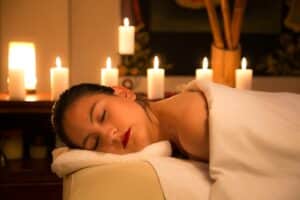
 You slip off the busy streets and into a calm, fragrant space. The lights are soft. The sounds fade. A pair of expert hands greet your back like old friends. You surrender.
This is not just any massage. This is Traditional Chinese Massage—the kind that doesn’t simply knead muscles but awakens energy, unblocks what’s stuck, and leaves your body humming with quiet vitality.
More Than Relaxation
It’s not flashy. It doesn’t need to be. The movements are deliberate, rooted in thousands of years of practice. A thumb along the spine, the stretch of a shoulder, the warm press of a palm on tired legs. There’s an elegance to it, a dance of touch and intention.
You feel heat returning to your limbs. You feel breath returning to your belly. You feel… whole again.
A Treat You Deserve
 There’s something indulgent about it—like slipping into silk sheets, like finishing a dark espresso alone on a rainy afternoon. It’s intimate, not just with the body, but with yourself.
And in a city like Tirana, where life is always moving, where everyone is trying to get ahead, this is your secret pleasure. A gift you give yourself—not because you have time, but because you know you’re worth it.
The Next Day
You walk differently the next morning. Your posture tells a story. Your skin glows, your smile is unhurried. People notice. They ask if you’ve slept better, if something’s changed.
You just say, I had a massage.
But you know—it was more than that.
It was a reset. A reward. A return to yourself.

Tai Chi & Coffee: Two Rituals of Balance in Albanian Life
 In Albania, coffee isn’t just a beverage—it’s a ritual, a social glue, a daily reset button. Across Tirana, from early morning until late afternoon, cafés are filled with people chatting, reflecting, and watching the world pass by with a small cup of rich espresso in hand.
Surprisingly, there’s another ritual—quiet, graceful, and centuries older—that shares the same spirit of presence and connection: Tai Chi.
More Than Movement, More Than Caffeine
At first glance, Tai Chi and coffee culture couldn’t be more different. One involves stillness and flowing movement; the other, lively conversation and caffeine. But both are about much more than what they appear to be on the surface.
Tai Chi, rooted in Traditional Chinese Medicine, is a slow, meditative form of exercise that improves posture, breathing, energy flow, and mental clarity. Practicing it daily cultivates not just physical health but emotional balance—a moment of calm amidst the chaos of life.
Drinking coffee in Albania serves a remarkably similar role. Whether alone or with friends, it’s not rushed. It’s not about the caffeine hit, but about taking time, being present, and enjoying a small moment of pleasure in an otherwise busy day.
Social Energy and Inner Energy
In Tai Chi, the focus is on the flow of Qi—life energy—through the body. In an Albanian café, it’s the energy of human connection that flows freely. Both habits are deeply social. In fact, some Tai Chi practitioners in Tirana have started practicing in public parks, drawing curious glances—and even spontaneous interest—from passersby finishing their morning coffee.
Both practices bring people together. Both encourage mindfulness. Both invite us to slow down.
The Rise of Tai Chi in Tirana
 With the increasing interest in wellness and Traditional Chinese Medicine, Tai Chi is starting to take its place alongside yoga, meditation, and other holistic practices in Tirana. From retirees looking to stay flexible and strong, to younger professionals seeking stress relief, more Albanians are discovering its benefits.
And just like coffee, once you experience the peaceful, focused clarity it brings—you want to come back every day.
A New Ritual for a Modern Albania
What if, after your morning espresso, you took ten minutes to breathe deeply and move slowly through a Tai Chi sequence in the fresh air? What if the rhythm of Tirana’s daily life included not just a break for coffee, but a pause for balance?
In many ways, Albanians already understand the essence of Tai Chi—it’s the art of being fully present, and that’s something this culture already excels at.
So next time you’re sipping your coffee in the sunlight, think of it as a kind of Tai Chi. One for the soul. The other for the body. Both, ultimately, for a better life.