The Right Time for a Four Hands Massage

We all know those nights. You get in bed early, ready to sleep, and suddenly your brain opens a to-do list from hell: work, money, family, even that weird comment you made years ago. It doesn’t stop.

That’s the new normal for many of us—always “on,” rarely resting, running on empty. You wake up tired, move through the day like a zombie, and your body feels like it’s carrying the weight of it all.

This is where four hands come in. Not as a treat, but as a real reset button for your body and mind.

What Is Four Hands Massage?

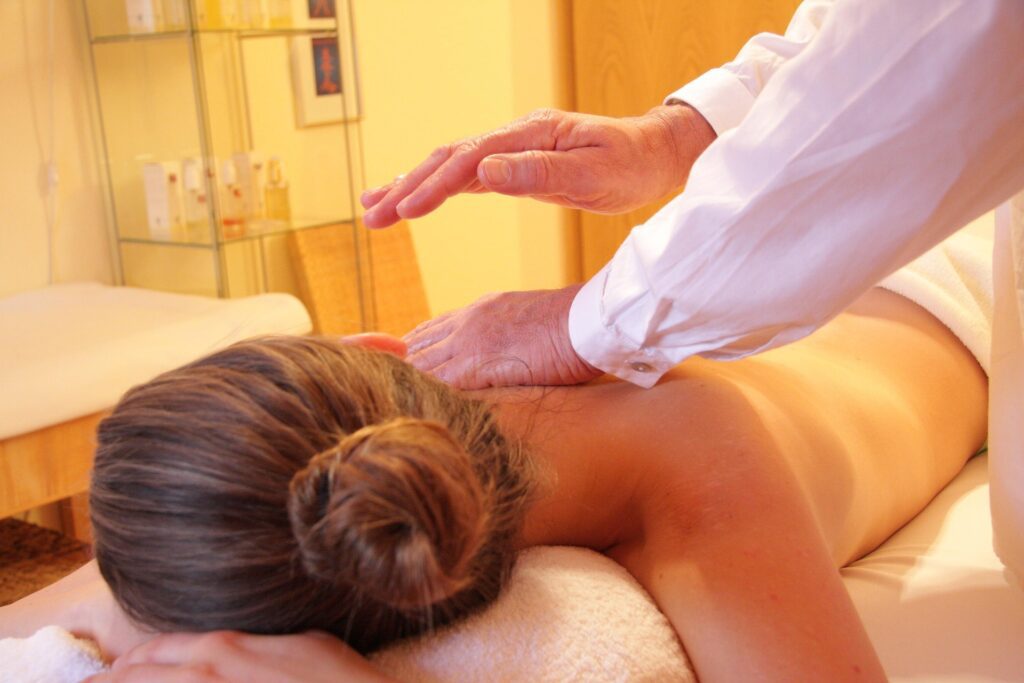
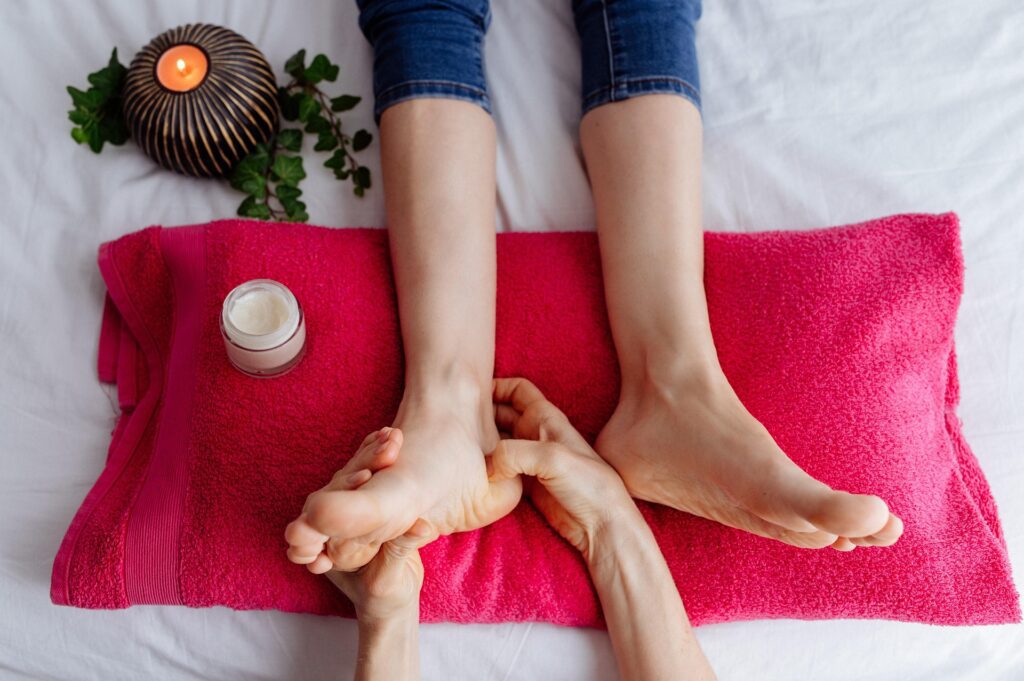
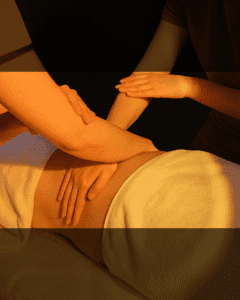
It’s exactly what it sounds like—two therapists working on you at the same time. But it’s not just “double massage.” It’s a coordinated rhythm, a mirrored flow of movement that covers your body evenly.

Picture this: you’re lying down, the room is calm, and two sets of skilled hands move in sync to release tension, boost circulation, and calm your nervous system.

It feels good, yes. But there’s also solid science behind why it works so deeply and effective.

Why Your Brain Loves It

Here’s the twist: your brain can’t keep up with two identical streams of touch at once. It stops trying to analyze or predict.

Instead, it lets go.

That endless loop of thinking, worrying, planning? It finally hits pause. Your body shifts out of stress mode and into true rest mode—the place where real healing and recovery happen.

Why It Hits Different Right Now

Life speeds up around seasonal changes, deadlines, and stress spikes. You may not even notice how much it’s weighing on you—until your shoulders lock up, your energy drops, or your stomach rebels.

Traditional Chinese Medicine calls this blocked energy, or Qi. Four-hand massage helps open the flow again. It calms down the nervous system, reconnects body and mind, and leaves you feeling more balanced than you thought it possible.

Like Meditation, Without the Effort

Meditation is hard when your head won’t stop spinning. But during a four-hand massage, your brain simply can’t hold on to all the input.

It’s like white noise for your nervous system. You stop waiting for the next move, stop planning, stop fixing.

You just exist in the moment. And that’s where calm settles.

Who Benefits Most?

If you:

  • Struggle to fall asleep or wake up groggy
  • Can’t stop replaying work or future worries
  • Feel weighed down or mentally foggy
  • Are going through a stressful change
  • Or simply forgot what deep relaxation feels like…

…then four hands might be exactly what your system is looking for.

Not Just Relaxation – A Reset

The effects go beyond a clear head. This treatment also tackles:

  • Muscle tension
  • Poor circulation
  • Low energy
  • Chronic fatigue

By working both sides of the body at once, it balances your whole system. Many walk out feeling lighter, clearer, and more grounded – like the noise finally turned down.

Final Word

A four-hand massage isn’t just “an hour of calm.” It’s the after-effect: better sleep, sharper focus, a steadier mood, and more energy to live your life.

So if you’re wired, tired, or stuck in your head, maybe the fix isn’t to push harder.

Maybe it’s letting go—while four hands do the work for you.

Double the care, double the healing."

The Hidden Highways of Health: Understanding Meridians and Meridian Conditioning in TCM

When I first studied Traditional Chinese Medicine (TCM), one of the most fascinating discoveries for me was the idea of meridians—the invisible pathways that carry energy through the body. They don’t appear in anatomy textbooks, and modern Western medicine does not recognize them as physical structures. And yet, for thousands of years, they have been central to how Chinese medicine understands health, balance, and healing.

What is interesting is that, even today, many patients who try treatments based on meridian work describe feeling lighter, more balanced, and more at ease. Whether it is through acupuncture, massage, or other techniques, they often notice changes that are difficult to explain in purely physical terms.

What Are Meridians?

Meridians can be thought of as energy highways. Instead of blood or nerves, they carry Qi (life energy) and influence how well our organs, muscles, and even emotions function. There are 12 main meridians, each linked to a specific organ system—like the lung, heart, liver, or kidneys.

When these pathways are open and flowing, the body feels alive, energetic, and in balance. When they are blocked or stagnant, problems may show up as pain, fatigue, mood swings, or other discomforts.

massage therapy

Signs of Imbalance

Many common complaints can be understood in TCM as signs of meridian imbalance:

  • Stiff muscles or aching joints
  • Constant tiredness or low energy
  • Stress, anxiety, or irritability
  • Digestive troubles
  • Poor sleep or frequent headaches

In practice, I often see that once the meridians are gently “opened,” these issues begin to improve naturally.

Manual Therapy:

What Is Meridian Conditioning?

Meridian conditioning is a way of keeping these pathways healthy and open. It is less about fixing a single symptom and more about maintaining the body’s overall balance. Some of the techniques include:

  • Acupuncture or acupressure – stimulating precise points along the meridians
  • Tui Na massage – using touch, pressure, and movement to free blocked energy
  • Cupping or gua sha – promoting circulation and removing stagnation
  • Gentle movement and breathing – such as Tai Chi or Qi Gong, to strengthen the natural flow of energy

I like to think of meridian conditioning as the equivalent of maintaining the roads in a city—if they are clear and well-kept, life moves smoothly.

Woman Suffers Medical Emergency

Why It Matters Today

Modern life is full of stress, poor posture, long hours in front of screens, and irregular routines. All of these can disrupt the body’s natural balance. That is why so many people today are turning to TCM approaches—not to replace modern medicine, but to complement it and support their own well-being.

Even though science has not yet mapped meridians the way it has blood vessels or nerves, what matters most is how people feel. And the truth is, many patients report a deep sense of relaxation, reduced pain, and renewed energy after meridian-based therapies.

cupping therapy on their back

A Personal Reflection

Over the years, I have seen people arrive tired, stressed, or in pain—and leave with a calm smile and lighter step. It’s not magic. It’s simply the body responding when the energy begins to flow again.

For me, this work is not just about easing discomfort, but about helping people reconnect with their natural vitality. Whether you see it as energy, circulation, or simply relaxation, the result is often the same: the body feels freer, and the mind feels clearer.

Frequently Asked Questions

  1. Are meridians scientifically proven?

Modern medicine does not recognize meridians as physical structures. They are not visible under a microscope or in medical imaging. However, many people find that therapies working on meridians bring real relief and improved well-being.

  1. Can meridian conditioning replace modern medical treatment?

No. TCM should not be seen as a replacement for necessary medical care. Instead, it can be a complementary approach that supports balance, relaxation, and the body’s natural healing processes.

  1. How many sessions are usually needed?

This varies from person to person. Some people feel noticeable changes after just one or two sessions, while others may benefit from regular treatments to maintain balance.

  1. Is meridian conditioning safe?

Yes, when performed by a trained professional. Techniques like acupuncture, massage, and cupping are generally safe and have been used for centuries.

  1. Who can benefit from it?

People of all ages may find benefit—from those with chronic stress or muscle pain to those who simply want to improve their energy and overall balance.

Final Thought

Meridians may not be visible under a microscope, but their effects are real to those who experience them. Meridian conditioning is about nurturing balance, preventing blockages before they turn into bigger problems, and giving the body the chance to heal itself.

As a practitioner, I see it as an invitation—to listen more closely to the body, to care for it gently, and to trust in its natural ability to restore harmony.

From Ancient China to Tirana: The Truth About Acupuncture and Its Hidden Benefits

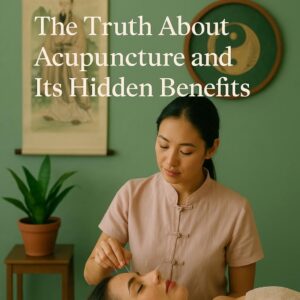
Acupuncture is one of the oldest healing practices in the world, with roots that reach back more than 2,500 years in China. It is a cornerstone of Traditional Chinese Medicine (TCM) and is based on the philosophy that health depends on the smooth flow of energy, or Qi (气), through the body’s network of meridians.

According to ancient Chinese texts such as the Huangdi Neijing (The Yellow Emperor’s Classic of Internal Medicine), illness occurs when the flow of Qi becomes blocked or unbalanced. Acupuncture developed as a method to restore harmony by stimulating specific points on the body with very fine needles. These points correspond to meridians—pathways that connect the body’s organs and systems.

Over centuries, acupuncture spread beyond China and is now practiced worldwide. It has gained recognition from modern medicine as well, with clinical studies confirming its effectiveness for a variety of conditions.

The Benefits of Acupuncture

Today, acupuncture is valued both as a traditional healing art and as a complementary therapy. Its benefits include:

  • Pain Relief: Acupuncture is widely used to treat back pain, neck pain, headaches, arthritis, and sports injuries. It stimulates the body’s natural pain-relieving chemicals.
  • Stress and Anxiety Reduction: By balancing the nervous system and calming the mind, acupuncture helps reduce stress, improve sleep, and support emotional well-being.
  • Boosting Energy and Immunity: Many people report feeling more energetic and resilient after regular treatments. Acupuncture supports the body’s natural defenses.
  • Digestive Health: It can ease conditions such as bloating, indigestion, and irritable bowel syndrome by regulating digestive function.
  • Women’s Health: Acupuncture is often used to support menstrual health, fertility, pregnancy, and menopause, helping to restore balance throughout life stages.

Why It Matters Who Performs Your Acupuncture

Because acupuncture has become popular worldwide, unfortunately there are also scams and unqualified people offering services under its name. Proper acupuncture requires years of training, deep knowledge of meridians, and a solid medical foundation. When performed incorrectly, not only is it ineffective, but it can also be unsafe.

That is why it is very important to seek acupuncture from licensed and experienced practitioners. A trained professional will know how to safely insert needles, follow hygiene standards, and adapt treatments to your individual health condition. This ensures both effectiveness and safety.

If you ever come across “cheap acupuncture” in places that do not look professional, please be cautious. Real healing comes from proper knowledge, skill, and care—not shortcuts.

A Personal Note

As someone who has practiced Traditional Chinese Medicine for more than 15 years, I feel both a responsibility and a joy in sharing this ancient healing method with people here in Tirana. I came from China in 2020, and over the years, I have been welcomed warmly by my Albanian friends and clients. It makes me happy to see how much trust people place in acupuncture and how their health improves through it.

If you would like to experience acupuncture in a safe, authentic, and caring way, I warmly invite you to visit me at Tai Chi – TCM Wellness and Health Center. Together, we will work toward restoring balance and harmony in your body.

With care,
Yang Wang
TCM Practitioner & Meridian Conditioning Specialist

Four-Hands Massage for Ultimate Relaxation

When two therapists move in harmony, the result is more than just a massage — it’s a unique experience of deep relaxation that relieves stress and restores balance.

At Chinese Massage – Tai Chi Tirana Wellness & Health Center, we offer the four-hands therapeutic and relaxation massage for those who need an intense yet gentle form of reconnection with their body.

🎯 What is a four-hands massage?
It’s a therapy where two therapists work simultaneously on the body’s tension zones, providing perfectly balanced bilateral stimulation. Movements are synchronized and tailored to each client’s needs: from lymphatic drainage and deep muscular relaxation to emotional tension release.

🌿 Benefits of four-hands therapy:

  • Immediate and profound relaxation
  • Double stimulation of blood and lymphatic circulation
  • Faster reduction of muscular tension
  • Increased anti-stress effect
  • Energetic harmonization and overall wellness
  • Meditative, almost hypnotic experience

👥 Who is it for?
People suffering from chronic stress or fatigue

Those looking for a unique wellness experience

Clients who have tried standard massages and want “something more”

Ideal in busy periods (pre-holiday, post-burnout, seasonal fatigue)

By the end of a four-hands massage session, clients often feel a positive emotional release and a deep reconnection with their body. It’s more than technique—it’s about presence, coordination, and shared energy.

📍 Book your session now with two experienced therapists and discover what true effortless wellness feels like.

Read more about four hand massage

Authentic Chinese Massage in Tirana

Experience the depth of real Chinese massage in Tirana — where ancient tradition meets modern wellness.

At Tai Chi – TCM Wellness and Health Center, we follow the path of Ancient Method Massage (古法按摩) — a form of Traditional Chinese Medicine that focuses on restoring balance, relieving pain, and revitalizing your energy through time-honored meridian therapy.

🌿 Why Choose Us for Chinese Massage in Tirana?
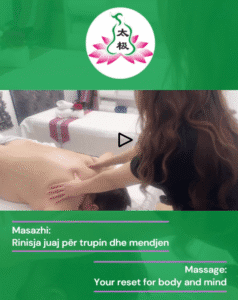
We’re not just a wellness center — we’re the only clinic in the Western Balkans offering genuine Chinese meridian massage, performed by certified TCM professionals from China. The message in this video — “Ancient Law Massage” — reflects our deep-rooted commitment to traditional healing.

🧘‍♀️ Our Services:

  • Authentic Chinese Massage
  • Meridian Therapy for Back, Neck & Foot Pain
  • Stress & Anxiety Relief
  • Holistic TCM Consultations
  • Personalized Wellness Programs


📍 Located in the heart of Tirana, we proudly offer the most authentic and effective Chinese massage in Tirana and the region.

🔗 Book now: www.taichi.al/book-now/
📞 Call us: +355 68 541 4141

🔤 Translation of Chinese Text: 古法按摩 = Ancient Law Massage
It reflects a healing system that restores not only the body but the spirit.

💬 Feel the difference. Discover real healing.

🌿 Relax, Restore and Renew with Chinese Massage 🌿

🌿 Relax. Restore. Renew. 🌿
✨ Let go of stress and invite balance back into your body. ✨
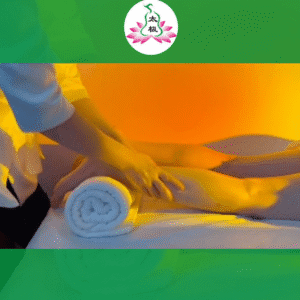
🎥 This video invites you to a relaxing massage experience, where every touch brings:
💆‍♀️ Deep relaxation – release physical and mental tension
🔥 Therapeutic warmth – feel your worries melt away
🌸 Inner regeneration – rediscover calm, energy, and well-being
📍 Cozy, clean and modern location
🕯 Techniques based on Traditional Chinese Medicine
💛 Tailored massage for you
📲 Book your session now and give yourself a moment of peace.
Your body deserves it. You deserve it. 🌺
🌐 www.taichi.al/book-now
📱 068 541 4141

Shiatsu vs Chinese Tuina: Key Differences Explained

When you hear about Shiatsu massage or Chinese Tuina massage, it’s easy to think they’re similar. After all, both are rooted in traditional Eastern medicine, use acupressure, and aim to harmonize the body’s energy. Yet their techniques, focus, and even treatment experiences differ in important ways. Understanding these differences can help you choose the therapy that best supports your unique health and wellness needs.

Shiatsu, developed in Japan, is a gentle yet powerful therapy that uses finger and palm pressure along the meridians (energy pathways). It focuses on balancing Qi — the life force energy flowing through the body — and restoring harmony in both body and mind. Shiatsu sessions are deeply relaxing, often performed fully clothed on a comfortable mat or futon, and include gentle stretches to improve flexibility and circulation. This therapy is especially effective for stress relief, emotional balance, and fatigue.

Chinese Tuina, on the other hand, is one of the oldest forms of therapeutic massage, with over 2,000 years of history in China. It uses a broader variety of techniques, including kneading, rolling, grasping, and tapping. Tuina can be quite dynamic or intense depending on the condition treated, and it often addresses both external musculoskeletal problems (like back pain, stiff neck, or sports injuries) and internal imbalances (such as digestive issues or insomnia). This makes Tuina an excellent choice if you’re seeking relief from chronic pain or functional disorders.

In modern practice, both therapies have adapted to address today’s stress-related and physical conditions, making them highly relevant and effective. However, Shiatsu tends to focus on calming the nervous system and restoring emotional balance, while Tuina prioritizes structural and energetic corrections to treat physical pain and restore organ function.

By knowing the differences, you can confidently choose the therapy that matches your goals:
👉 Shiatsu if you want to deeply relax, release emotional tension, and restore energy flow.
👉 Tuina if you need targeted treatment for chronic pain, injuries, or systemic imbalances.

Remember, both therapies offer a holistic approach to healing — you don’t have to limit yourself to one! Trying both can give you the benefits of a comprehensive wellness routine.

🔑 Find your balance, heal your body.