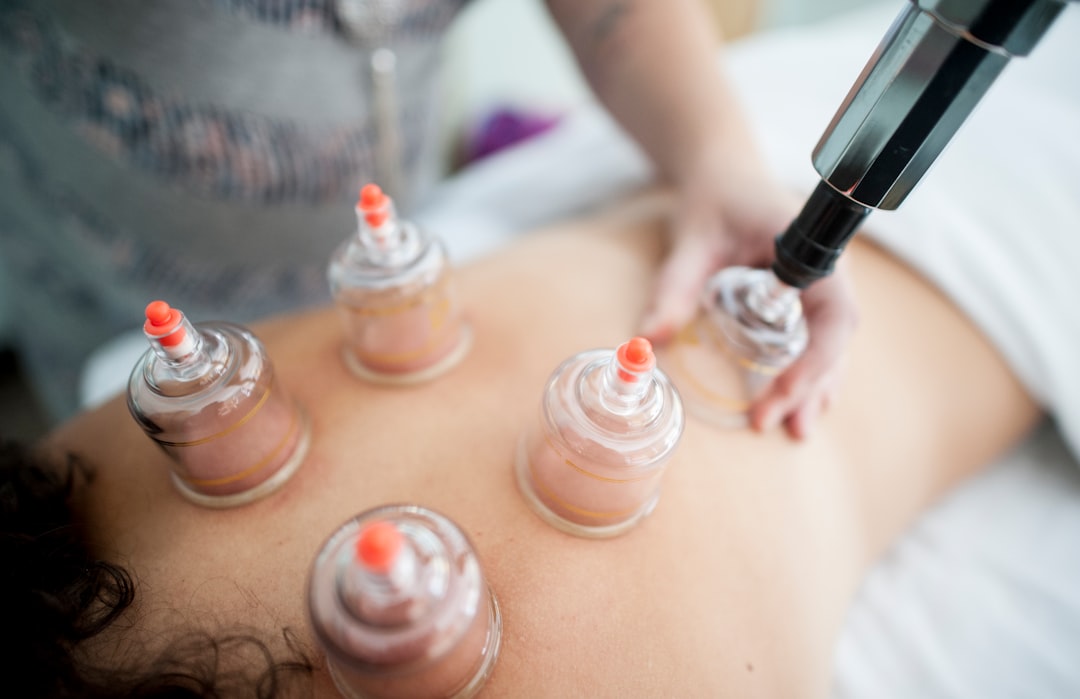
几乎每一位初次接受拔罐的客人,都会在离开沙龙约十分钟后经历一段轻微的恐慌——回到家对着镜子一看,背上布满了均匀分布的圆形红紫色印记,有些颜色比其他的深得多。浴室的灯光下,这看上去令人担忧。他们心里会短暂地怀疑:是不是哪里出了问题?
什么都没出问题。那些印记正是治疗的核心所在,解读它们是这门实践中最有趣的部分之一——对治疗师来说如此,对越来越多开始好奇自己身体在传递什么信息的客人来说亦是如此。
这篇文章是对我被问得最多的那个问题的完整回答:"这些印记是什么意思?"
这不是淤青
首先要明白,拔罐留下的印记并不是通常意义上的淤青。淤青是毛细血管破裂后血液渗入周围组织,通常由外力撞击造成——形状不规则,疼痛局限,头两天会加重,周围组织触摸时感到酸痛。
拔罐印记则完全不同。罐内的负压将毛细血管吸向皮肤表面,增加其通透性。部分红细胞和血浆进入周围组织——不是因为毛细血管破裂,而是因为压力差暂时打开了细胞间的连接。这些印记是扁平的(不隆起),通常第二天触摸时不会感到疼痛,会在三到七天内消退,不会像真正的淤青那样经历从红到蓝再到黄的颜色变化。
这个区别不只是学术概念。它之所以重要,是因为身体对拔罐印记的反应与对淤青的反应截然不同。印记会启动局部的免疫和循环反应,这才是治疗真正的疗效所在。身体识别到该区域需要关注,向其输送更多血液,召集局部免疫细胞,开始清理积聚在组织中的代谢废物。这个反应在罐子取下后还会持续数日。
为什么每个人的印记各不相同
拔罐疗程中最有价值的信息,编码在印记的深浅程度以及最深印记出现的位置上。经验丰富的治疗师读取这些规律,就像医生读取血液检查结果一样。
浅粉红,一两小时内消退。 下方组织血液循环良好,没有明显淤滞。治疗产生了轻度的有益效果,但该区域并没有急迫的干预需求。常见于接受日常维护性疗程的年轻健康客人。
粉红至红色,二十四小时内消退。 该区域有轻度充血或肌肉紧张,但没有显著的深层淤滞。最常见于因压力相关背部紧张前来就诊的客人。
深红至紫色,持续三到五天。 组织存在明显的积聚性淤滞——即血液循环不畅、代谢废物滞留与慢性肌肉紧张三者叠加的状态。常见于长期有上背部不适的久坐办公族,以及受伤或劳损发生于数周乃至数月前却从未完全恢复的客人。
极深的紫色,近乎黑色,持续一周或更长。 这表明存在深层的慢性淤滞(常与慢性疼痛状况相关),或较少见地,存在值得就医关注的循环问题。当我在一位没有明显原因的客人身上看到这种情况时,我们会深入交流,探讨其整体健康状况中是否有其他促成因素。
印记边缘出现黄色或绿色。 身体对拔罐反应的处理速度异常缓慢,通常提示储备不足。我们会在后续疗程中调整,采用更温和的手法。
背部的"地图"
印记在背部哪个位置最深,与印记本身有多深同样重要。
中医对背部的经典划分以 膀胱经 and the 督脉 为参照。西方现代解剖学则使用肌群和节段性神经分布。两套体系在实际应用中配合得相当自然。
上斜方肌区域——大多数办公室职员积累张力的地方——在以键盘操作为主要工作方式的客人身上,通常会出现颜色更深的印记。规律往往呈"肩担"形状,在惯用手一侧更为明显。
胸段椎旁肌——上背至中背沿脊柱两侧延伸的肌群——在有慢性压力的客人身上印记更深,尤其是那些压力积聚在呼吸模式中的人。以浅胸式呼吸为主的客人,在这个区域几乎都能检测到明显的淤滞。
下胸区(肩胛骨与肋弓之间的区域)在中医上对应 肝俞 以及 胆俞 。长期有慢性郁闷、压抑性烦躁或消化迟缓的客人,这个区域往往呈现最深的印记。
腰椎区域——下背部——的淤滞规律与体力负荷、长时间站立有关,或在中医语境下,与 肾阳虚 虚
在沙龙里,我有时会在疗程结束后给客人看他们背部的照片(征得同意后,拍在他们自己的手机上),带他们了解这些规律反映了什么。大多数客人会感到出乎意料地投入——某种程度上,这是他们第一次看到自己内在的压力状态被"绘"在皮肤上。
刮痧呈现的信息有所不同
刮痧 ——刮擦疗法——留下的是另一种印记,呈现不同的规律,携带不同的信息。
这项技术使用边缘光滑的工具(传统上是抛光的牛角,现代实践中常用瓷器或玉石),在涂油后的皮肤上以适度的压力刮擦。摩擦产生与拔罐类似的毛细血管-组织反应,但规律是线性而非圆形的,印记往往在被处理的区域内分布更加多变。
刮痧最擅长显示的是 痧 的分布——这是指在淤滞最重的部位出现的细小红点。在血液循环良好的组织区域,刮痧会产生均匀的粉红色潮红,一小时内消退。在淤滞区域,则会出现清晰的红色细点,可能需要数天才能消散。
这使刮痧在判断较大肌群中最需要干预的具体部位时尤为出色。这项技术能揭示局部规律,而拔罐做不到——因为拔罐处理的是整个圆形区域,而刮痧可以在较大范围内精准定位最需关注的狭窄地带。
阿尔巴尼亚奶奶的版本
我在好几篇文章里都提到过这一点,但在这里值得再次重申:拔罐并非中国独有。这项技术的变体存在于阿尔巴尼亚传统医学中,当地称之为 ventuza。许多阿尔巴尼亚家庭的老一辈女性还记得儿时的情景——小玻璃杯用火焰短暂加热制造负压,贴在孩子背上"驱散冬病之寒"。这项技术在民间家庭实践中一直延续到二十世纪,随着现代医学的普及逐渐变得少见,如今正经历某种程度的复兴。如果你对两种传统之间的相似之处感兴趣,我曾写过 一位阿尔巴尼亚祖母教会我的拔罐智慧、
有趣的是,阿尔巴尼亚奶奶们使用的诊断原则并不像中国的那样系统化,但核心观察是相同的:哪里的印记更深,那里的身体就有更多需要释放的东西。奶奶们没有文字记录的传统,却将这个观察口耳相传,并始终如一地付诸实践。
我的一位患者——一位来自北方山村、已年过六旬的女性——向我描述了她的曾祖母对拔罐印记的说法。她给我的翻译是:"皮肤记住的地方,是身体需要遗忘的地方。"
这其实是对其中原理的一个相当准确的概括。印记是身体留住之物的记录,治疗是释放它的过程。
什么时候印记需要引起关注
有些特殊情况下,异常的拔罐印记提示需要跟进——不是担心,而是留意。
印记超过七天才消退,而客人没有明显原因(高强度训练、近期患病、服用抗凝药物)。这有时提示值得与医生进一步探讨的循环或激素问题。
印记伴有持续的明显疼痛(拔罐后不应产生尖锐的刺痛感——只应有一种轻微的"治疗做过了"的感觉)。
印记在多次持续治疗后仍在同一部位反复出现。这表明深层规律超出了拔罐所能触及的范围,需要调整治疗方案——有时是加入针灸或泥灸,有时是共同找出并解决某个生活方式因素。
对于普通的拔罐印记——从粉红到深红,三到五天内消退,没有明显压痛——完全不必担心。它们是治疗工作的可见记录,身体会迅速重新吸收它们,而它们所标记的那些东西,多数情况下也将不再存在。
夏天的一点小贴士
如果你在夏天进行了拔罐疗程,又打算第二天穿露背上衣或去海边,有一点值得提前说明——印记对别人来说是可见的。这不是问题,但可能出乎意料。我们在接待时都会提前告知。近年来这些印记的认知度已大幅提升(2016年奥运会游泳运动员身上的印记让公众的讨论发生了很大转变),大多数人现在都知道那是什么。但第一次穿着背部有圆形印记的夏日裙子走进咖啡馆时,那些目光可能还是蛮有趣的。
在地拉那,年长一代通常会意味深长地点头。年轻人有时会问问题。两种反应都完全没问题。
王杨在地拉那的 Chinese Massage - Tai Chi Tirana 执业中医。文中细节已作改动,以保护客人隐私。
准备好感受不同了吗?
立即预约您的疗程——当天预约可用。
立即预约