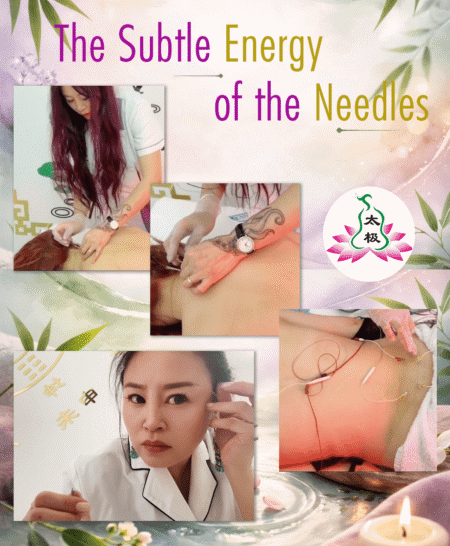
Acupuncture: Principles, Mechanisms, Clinical Applications, and Professional Practice in Tirana


✓ Authentic Chinese Medicine Tirana · Rruga Astrit Sulejman Balluku

Acupuncture is one of the most established and historically continuous therapeutic systems in the world. As a central component of Traditional Chinese Medicine (TCM), it has been practiced for more than 2,000 years and continues to evolve within modern healthcare systems. Today, acupuncture is recognized globally not only as a traditional healing art but also as a centerally relevant and increasingly evidence-supported therapeutic intervention.

In recent decades, acupuncture has gained growing acceptance within scientific and medical communities. Clinical research, including randomized controlled trials and neurophysiological studies, has demonstrated its effectiveness in managing chronic pain, neurological disorders, stress-related conditions, and functional imbalances. As a result, acupuncture is now integrated into hospitals, rehabilitation centers, and private centers worldwide.

In Tirana, acupuncture is becoming more widely available, with several practitioners offering treatment. However, the quality, methodology, and depth of practice can vary significantly. At Chinese Massage – Tai Chi, located on Rruga Astrit Sulejaman Balluku, acupuncture is performed by certified Chinese TCM practitioners under the supervision of Yang Wang, ensuring authenticity, precision, and centeral effectiveness.


1. What Is Acupuncture?

Acupuncture is a therapeutic technique involving the insertion of extremely fine, sterile needles into specific anatomical points on the body known as acupuncture points or acupoints. These points are distributed along pathways called meridians, which regulate the flow of vital energy known as Qi.

According to Traditional Chinese Medicine:

  • Health is a state of balanced and uninterrupted Qi flow
  • Disease occurs when Qi becomes blocked, deficient, or excessive

By stimulating precise acupoints, acupuncture restores balance and promotes the body’s natural healing capacity.

Biomedical Interpretation

Modern research provides a complementary explanation. Acupuncture influences multiple physiological systems:

Qi & Meridians

Health is based on balanced energy flow. Acupuncture restores harmony when Qi becomes blocked or deficient.

Biomedical Effects

Stimulates endorphins, reduces inflammatory cytokines, and regulates neurotransmitters such as serotonin and dopamine.

Personalized Therapy

Each treatment is adapted to the individual condition and diagnosis through pulse and tongue assessment.

Neuroimaging studies show that acupuncture can modulate brain regions associated with pain perception and emotional regulation, providing measurable evidence of its systemic effects.


2. Historical and Theoretical Foundations

Acupuncture originates from ancient China, with its theoretical basis documented in the Huangdi Neijing (The Yellow Emperor’s Inner Classic). This foundational text established the principles that continue to guide acupuncture practice today.

Over centuries, acupuncture evolved through:

  • Clinical observation
  • Scholarly refinement
  • Practitioner lineage transmission

Unlike many modern medical interventions, acupuncture developed as a holistic system, integrating diagnosis, treatment, and prevention.


3. Core Principles of Acupuncture

3.1 Qi: Functional Energy

Qi represents the body’s dynamic processes—movement, transformation, protection, and nourishment. It is not a single measurable substance but a functional concept describing physiological activity. Different forms of Qi include:

Yuan Qi
Constitutional energy
Wei Qi
Defensive energy
Zong Qi
Respiratory and circulatory energy

3.2 The Meridian Network

The meridian system connects internal organs with external tissues. There are 12 primary meridians, each associated with a major organ system. Modern anatomical studies suggest correlations between meridians and fascial networks, neural pathways, and vascular structures—providing a possible scientific basis for traditional concepts.

3.3 Yin-Yang Balance

Health depends on the balance between Yin and Yang:

  • Yin → cooling, nourishing, structural
  • Yang → warming, active, functional

Acupuncture restores this balance by tonifying deficiencies and reducing excess conditions.

3.4 Individualized Diagnosis

One of the most important aspects of acupuncture is its personalized approach. Practitioners assess pulse characteristics, tongue appearance, symptom patterns, and emotional and lifestyle factors. This allows for highly precise treatment tailored to each individual.


4. Acupuncture Techniques

4.1 Needle Insertion

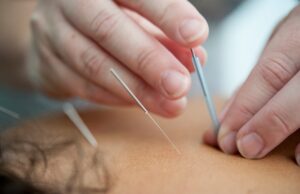
The needles used in acupuncture are extremely thin (0.12–0.30 mm), flexible, sterile, and designed for single use.

A critical point for new patients: acupuncture does not hurt.

Because the needles are so thin, most patients feel no pain. Some feel a mild sensation (tingling, warmth, heaviness). Many experience deep relaxation. This sensation, known as De Qi, is a positive therapeutic response.

4.2 Manual Stimulation

After insertion, needles may be gently manipulated to enhance the therapeutic effect and direct Qi to the target area.

4.3 Electroacupuncture

Electroacupuncture applies a mild electrical current to needles, improving pain relief and neuromuscular activation. It is particularly effective for chronic pain and neurological conditions.

4.4 Moxibustion

Moxibustion uses heat generated by burning dried mugwort (moxa) to stimulate acupoints. It is particularly effective for chronic fatigue and cold-related conditions.

4.5 Integration with Chinese Massage

At Chinese Massage – Tai Chi, acupuncture is often combined with Chinese massage, which relaxes muscles, improves circulation, and enhances Qi movement. This integration significantly increases overall treatment effectiveness.


5. Why Chinese Acupuncture Is Superior

While acupuncture is available globally, authentic Chinese acupuncture remains distinct due to its depth and precision.

Comprehensive Medical System

Chinese acupuncture is part of a complete healthcare system, not an isolated technique.

Diagnostic Precision

Treatment is based on pattern differentiation, not generic symptom protocols.

Clinical Expertise

Treatments are performed by certified Chinese practitioners under the supervision of Yang Wang, ensuring authentic TCM standards.


6. Acupuncture in Tirana: Choosing the Right Practice

Acupuncture therapy is offered by several practitioners in Tirana. However, there are important differences in quality and approach. At Chinese Massage – Tai Chi, located on Rruga Astrit Sulejaman Balluku, patients benefit from:

  • Authentic Chinese acupuncture
  • Certified practitioners trained in TCM
  • Supervision by Yang Wang
  • Integration with Chinese massage

This ensures a higher level of care compared to generalized or simplified acupuncture services.


7. Clinical Benefits of Acupuncture

🩺 Pain Management

Back pain, neck pain, joint disorders, migraines. Reduces pain through neurochemical and anti-inflammatory mechanisms.

🧠 Stress & Mental Health

Regulates the autonomic nervous system, reducing anxiety, insomnia, and emotional tension.

🌿 Digestive Disorders

Effective for IBS, gastritis, and bloating through gut-brain axis regulation.

♀️ Women’s Health

Menstrual regulation, fertility support, and menopause symptom management.

🧬 Neurological Conditions

Neuropathy, stroke recovery, and chronic fatigue syndrome.

🛡️ Immune Regulation

Enhances immune response and reduces systemic inflammation.


8. One Session Is Just a Beginning

A single acupuncture session can often produce noticeable relief. Patients may experience reduced pain, improved relaxation, and a general sense of well-being after just one treatment. However, it is essential to understand that this is only the beginning of the therapeutic process.

Most conditions develop gradually over months or years, involve complex physiological imbalances, and require consistent treatment for lasting results.

The Cumulative Effect of Acupuncture

Acupuncture works through progressive physiological adaptation:

  • Repeated stimulation strengthens neural pathways
  • Inflammation decreases over time
  • Circulation improves gradually
  • The body’s regulatory systems stabilize

This is why isolated treatments provide temporary relief, while structured programs produce lasting change.

10-Session Therapy Packages: A Clinical Approach

At Chinese Massage – Tai Chi, we strongly recommend 10-session acupuncture therapy packages. This approach allows correction of underlying imbalances, stabilization of results, and long-term improvement. Patients typically report gradual but consistent symptom reduction, improved sleep and energy, and enhanced overall well-being.

This method reflects the fundamental principle of Traditional Chinese Medicine: treating the root cause, not just symptoms.


9. Safety and Patient Experience

Acupuncture is considered very safe when performed by trained professionals. At Chinese Massage – Tai Chi, all sessions use sterile single-use needles, proper anatomical knowledge, and individualized treatment protocols.

A Typical Session Includes:

1Initial consultation — assessment of pulse, tongue, symptoms, and lifestyle
2Needle placement at precise acupoints
3Relaxation period of 20–40 minutes — most patients feel calm, relaxed, and physically lighter. Many fall asleep during treatment.

10. Scientific Evidence and Mechanisms

Modern research supports acupuncture through multiple mechanisms:

  • Endorphin release explains pain reduction
  • Neuroimaging shows measurable brain modulation
  • Biochemical studies confirm anti-inflammatory effects

Large meta-analyses have demonstrated that acupuncture is significantly more effective than placebo for chronic pain conditions.


11. Acupuncture vs. Western Symptom-Based Treatment

A key distinction between acupuncture and conventional medicine lies in approach:

Acupuncture Conventional Medicine
Treats root cause Treats symptoms
Individualized Standardized
Holistic Targeted
Preventive Reactive

This is why acupuncture often produces broader, systemic improvements beyond the presenting complaint.


12. Conclusion

Acupuncture is a sophisticated, evidence-supported therapy that combines ancient knowledge with modern scientific understanding. Its ability to regulate physiological systems, reduce pain, and restore balance makes it a valuable component of contemporary healthcare.

In Tirana, while acupuncture is increasingly available, the quality of treatment varies significantly. At Chinese Massage – Tai Chi, located on Rruga Astrit Sulejaman Balluku, patients receive authentic acupuncture performed by certified Chinese practitioners under the supervision of Yang Wang.

Acupuncture does not hurt — it restores balance, reduces pain, and promotes long-term health.

And most importantly, one session is only the beginning. A structured treatment plan, especially a 10-session therapy package, provides the depth and consistency necessary for lasting results.

For those seeking professional acupuncture and Chinese massage in Tirana, Chinese Massage – Tai Chi represents a standard of care rooted in authenticity, expertise, and centeral effectiveness.


References

  1. Maciocia, G. The Foundations of Chinese Medicine. Elsevier.
  2. Maciocia, G. The Practice of Chinese Medicine. Elsevier.
  3. Deadman, P., Al-Khafaji, M., & Baker, K. A Manual of Acupuncture.
  4. Langevin, H.M., & Yandow, J.A. Relationship of acupuncture points to connective tissue planes. The Anatomical Record.
  5. Vickers, A.J. et al. Acupuncture for chronic pain. Archives of Internal Medicine.
  6. Zhao, Z.Q. Neural mechanisms of acupuncture analgesia. Progress in Neurobiology.
  7. Ernst, E. Safety of acupuncture. British Medical Journal.
  8. Han, J.S. Acupuncture and endorphins. Neuroscience Letters.
Chinese Massage – Tai Chi · Tirana
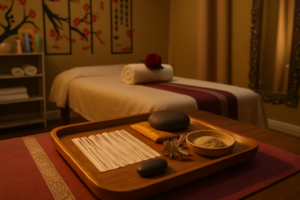
Acupuncture: The Day the Needles Changed Her Mind

Acupuncture: The Day the Needles Changed Her Mind

Acupuncture: The Day the Needles Changed Her Mind

When people hear the word acupuncture, they often react the same way:

“Needles? I’m not sure…”

I understand that hesitation. Even though I grew up in China, where acupuncture is part of everyday healthcare, I remember when I truly understood its power.

Today in Tirana, I see that same uncertainty in new clients.

And then I see the change.

• • •

She came with chronic headaches. Long office hours. A tight jaw from stress. Sleep that never felt restorative.

“I’ve tried everything,” she said. “Maybe this… but I’m afraid of needles.”

I smiled gently.

Acupuncture needles are extremely thin — almost like a strand of hair. Most people are surprised by how little they feel.

We began slowly.

The room was quiet. The city faded. I placed the first needle on her hand.

“That’s it?” she asked.

That’s it.

• • •

An Ancient Medicine

In Chinese, acupuncture is called 针灸 (Zhēn Jiǔ) — “needle and moxibustion.” It is one of the pillars of Traditional Chinese Medicine.

There is an old saying:

“通则不痛,痛则不通.”

“If there is free flow, there is no pain. If there is pain, there is no free flow.”

Vital energy, Qi (气), flows through meridians in the body. When it becomes blocked, discomfort appears — headaches, tension, anxiety, fatigue.

Acupuncture stimulates precise points to restore that flow.

From a modern perspective, it activates the nervous system, improves circulation, reduces inflammation, and releases endorphins.

• • •

The Quiet Shift

Within minutes, her breathing changed.

Her shoulders softened.

Her forehead relaxed.

The body stopped fighting.

Acupuncture is quiet medicine. There is no force. Yet inside, the body recalibrates.

When the session ended, she opened her eyes slowly.

“My head feels clear,” she said. “It’s quiet.”

• • •

The needles are small.

But the effect can be profound.

Sometimes healing does not need to be loud.
It only needs to be precise.

acupuncture-21-Feb-2026

Your Acupuncture Invitation

Are you seeking a natural way to relieve pain, reduce stress, and restore your inner harmony?

🧘 Holistic Benefits: Acupuncture is well-known for effectively treating chronic pain, easing anxiety, improving sleep, and boosting your overall energy.

🎓 Expert Guidance: Your treatment will be led by our certified TCM therapists who bring deep knowledge and years of experience.

📍 The Perfect Setting: Our center for acupuncture and massage is a welcoming oasis of calm and relaxation. We are conveniently located right in the heart of Tirana, making it easy to fit self-care into your busy life.

Ready to find your balance?

📅 Book Your Session Today! www.taichi.al/book-now/ | TEL: 068 541 4141

🗺️ Visit us: Astrit Sulejman Balluku Street, Alb Trans Building, 1st floor, apartment 11 and 12, Administrative Unit No. 7, Tirana

Acupuncture worked for me

I have lived and worked in Tirana for many years, building my career in a bank. My days are spent in front of a computer, long hours of meetings and reports, with little time left for movement. Over time, this lifestyle left me with a constant, stubborn pain in my right shoulder.


I did the sensible thing and went to a doctor. An X-ray was taken, but nothing unusual showed up. The advice was to rest and to take painkillers. I tried for a while, but I didn’t want to become dependent on medication just to get through daily life. The thought of carrying this pain indefinitely, or relying on pills, felt discouraging.
That’s when I decided to visit Yang’s salon. I originally booked a massage, which was wonderful, but when I shared my story about the shoulder pain, Yang suggested something I had never considered: a course of acupuncture, ten sessions in total.


I was skeptical at first. Acupuncture was unfamiliar to me, but Yang’s calm explanation and the confidence she inspired convinced me to try. From the very beginning, I felt her professionalism in the way she worked—each needle placed with care and purpose. Gradually, the tension in my shoulder started to ease. After a few sessions, I noticed real improvement. By the tenth session, the pain that had followed me for months was gone.

When I wanted to thank Yang, she told me that the best way would be to write down my experience so others in Tirana might benefit from it too. So here I am, sharing my story.

What stays with me most is not only the fact that my pain disappeared, but also the way Yang guided me through a method I had never thought of trying. Her mastery of acupuncture gave me a real alternative to medication and showed me that relief is possible—even when the usual medical tests say everything is “normal.”
For anyone in Tirana who spends too many hours sitting at a desk and struggles with unexplained pain, I would say this: don’t ignore it, and don’t give up. Sometimes the solution is closer than you think.

 Suela

[ story source: www.facebook.com/permalink.php?story_fbid=pfbid02cCELTC8KX7UnbzNgDYxXG8NtqFftXRdB1SrgkwxzshQTWd66oJiUDnZ4AiU3yEHkl&id=61581331277081 ]

What a headache!

Yesterday evening, just as we were getting ready to close, one of our neighbors knocked on the door. She looked pale, her hand pressing against her temple, and she told me she was suffering from a terrible migraine.

Migraines are not just headaches — they can be so intense that the world feels too bright, every sound is too loud, and even simple movement becomes exhausting. I could see how much she was struggling. She had already taken painkillers earlier in the day, but the pain wasn’t easing.

I invited her in and suggested we try a short acupuncture session. After a few minutes of rest, I gently placed thin needles in specific points: LI4 (Hegu) on her hand to release tension, GB20 (Fengchi) at the base of her skull to calm the pounding pain, and Taiyang near her temples. I also added LR3 (Taichong) on the foot to smooth the flow of Liver Qi, which in TCM is often linked to migraines.

At first, she was a little nervous — she had never tried acupuncture before. But within minutes, her breathing slowed, her shoulders relaxed, and I could feel the shift in her body’s energy. By the end of the session, she opened her eyes, surprised. The heavy pressure in her head had lightened, and the sharp pain had faded to something much more bearable. She smiled for the first time that evening and said, “It feels like a weight has been lifted.”

Moments like this remind me why I practice Traditional Chinese Medicine. Modern science may not fully explain how acupuncture works, but time and again, I see how it helps people — easing pain, calming the mind, and restoring balance.

For my neighbor, it wasn’t just about needles. It was about being cared for, about knowing there is a natural way to find relief when nothing else seems to work.

Serenity Full body massage

The Hidden Highways of Health: Understanding Meridians and Meridian Conditioning in TCM

When I first studied Traditional Chinese Medicine (TCM), one of the most fascinating discoveries for me was the idea of meridians—the invisible pathways that carry energy through the body. They don’t appear in anatomy textbooks, and modern Western medicine does not recognize them as physical structures. And yet, for thousands of years, they have been central to how Chinese medicine understands health, balance, and healing.

What is interesting is that, even today, many patients who try treatments based on meridian work describe feeling lighter, more balanced, and more at ease. Whether it is through acupuncture, massage, or other techniques, they often notice changes that are difficult to explain in purely physical terms.

What Are Meridians?

Meridians can be thought of as energy highways. Instead of blood or nerves, they carry Qi (life energy) and influence how well our organs, muscles, and even emotions function. There are 12 main meridians, each linked to a specific organ system—like the lung, heart, liver, or kidneys.

When these pathways are open and flowing, the body feels alive, energetic, and in balance. When they are blocked or stagnant, problems may show up as pain, fatigue, mood swings, or other discomforts.

massage therapy

Signs of Imbalance

Many common complaints can be understood in TCM as signs of meridian imbalance:

  • Stiff muscles or aching joints
  • Constant tiredness or low energy
  • Stress, anxiety, or irritability
  • Digestive troubles
  • Poor sleep or frequent headaches

In practice, I often see that once the meridians are gently “opened,” these issues begin to improve naturally.

Manual Therapy:

What Is Meridian Conditioning?

Meridian conditioning is a way of keeping these pathways healthy and open. It is less about fixing a single symptom and more about maintaining the body’s overall balance. Some of the techniques include:

  • Acupuncture or acupressure – stimulating precise points along the meridians
  • Tui Na massage – using touch, pressure, and movement to free blocked energy
  • Cupping or gua sha – promoting circulation and removing stagnation
  • Gentle movement and breathing – such as Tai Chi or Qi Gong, to strengthen the natural flow of energy

I like to think of meridian conditioning as the equivalent of maintaining the roads in a city—if they are clear and well-kept, life moves smoothly.

Woman Suffers Medical Emergency

Why It Matters Today

Modern life is full of stress, poor posture, long hours in front of screens, and irregular routines. All of these can disrupt the body’s natural balance. That is why so many people today are turning to TCM approaches—not to replace modern medicine, but to complement it and support their own well-being.

Even though science has not yet mapped meridians the way it has blood vessels or nerves, what matters most is how people feel. And the truth is, many patients report a deep sense of relaxation, reduced pain, and renewed energy after meridian-based therapies.

cupping therapy on their back

A Personal Reflection

Over the years, I have seen people arrive tired, stressed, or in pain—and leave with a calm smile and lighter step. It’s not magic. It’s simply the body responding when the energy begins to flow again.

For me, this work is not just about easing discomfort, but about helping people reconnect with their natural vitality. Whether you see it as energy, circulation, or simply relaxation, the result is often the same: the body feels freer, and the mind feels clearer.

Frequently Asked Questions

  1. Are meridians scientifically proven?

Modern medicine does not recognize meridians as physical structures. They are not visible under a microscope or in medical imaging. However, many people find that therapies working on meridians bring real relief and improved well-being.

  1. Can meridian conditioning replace modern medical treatment?

No. TCM should not be seen as a replacement for necessary medical care. Instead, it can be a complementary approach that supports balance, relaxation, and the body’s natural healing processes.

  1. How many sessions are usually needed?

This varies from person to person. Some people feel noticeable changes after just one or two sessions, while others may benefit from regular treatments to maintain balance.

  1. Is meridian conditioning safe?

Yes, when performed by a trained professional. Techniques like acupuncture, massage, and cupping are generally safe and have been used for centuries.

  1. Who can benefit from it?

People of all ages may find benefit—from those with chronic stress or muscle pain to those who simply want to improve their energy and overall balance.

Final Thought

Meridians may not be visible under a microscope, but their effects are real to those who experience them. Meridian conditioning is about nurturing balance, preventing blockages before they turn into bigger problems, and giving the body the chance to heal itself.

As a practitioner, I see it as an invitation—to listen more closely to the body, to care for it gently, and to trust in its natural ability to restore harmony.

From Ancient China to Tirana: The Truth About Acupuncture and Its Hidden Benefits

Acupuncture is one of the oldest healing practices in the world, with roots that reach back more than 2,500 years in China. It is a cornerstone of Traditional Chinese Medicine (TCM) and is based on the philosophy that health depends on the smooth flow of energy, or Qi (气), through the body’s network of meridians.

According to ancient Chinese texts such as the Huangdi Neijing (The Yellow Emperor’s Classic of Internal Medicine), illness occurs when the flow of Qi becomes blocked or unbalanced. Acupuncture developed as a method to restore harmony by stimulating specific points on the body with very fine needles. These points correspond to meridians—pathways that connect the body’s organs and systems.

Over centuries, acupuncture spread beyond China and is now practiced worldwide. It has gained recognition from modern medicine as well, with centeral studies confirming its effectiveness for a variety of conditions.

The Benefits of Acupuncture

Today, acupuncture is valued both as a traditional healing art and as a complementary therapy. Its benefits include:

  • Pain Relief: Acupuncture is widely used to treat back pain, neck pain, headaches, arthritis, and sports injuries. It stimulates the body’s natural pain-relieving chemicals.
  • Stress and Anxiety Reduction: By balancing the nervous system and calming the mind, acupuncture helps reduce stress, improve sleep, and support emotional well-being.
  • Boosting Energy and Immunity: Many people report feeling more energetic and resilient after regular treatments. Acupuncture supports the body’s natural defenses.
  • Digestive Health: It can ease conditions such as bloating, indigestion, and irritable bowel syndrome by regulating digestive function.
  • Women’s Health: Acupuncture is often used to support menstrual health, fertility, pregnancy, and menopause, helping to restore balance throughout life stages.

Why It Matters Who Performs Your Acupuncture

Because acupuncture has become popular worldwide, unfortunately there are also scams and unqualified people offering services under its name. Proper acupuncture requires years of training, deep knowledge of meridians, and a solid medical foundation. When performed incorrectly, not only is it ineffective, but it can also be unsafe.

That is why it is very important to seek acupuncture from licensed and experienced practitioners. A trained professional will know how to safely insert needles, follow hygiene standards, and adapt treatments to your individual health condition. This ensures both effectiveness and safety.

If you ever come across “cheap acupuncture” in places that do not look professional, please be cautious. Real healing comes from proper knowledge, skill, and care—not shortcuts.

A Personal Note

As someone who has practiced Traditional Chinese Medicine for more than 15 years, I feel both a responsibility and a joy in sharing this ancient healing method with people here in Tirana. I came from China in 2020, and over the years, I have been welcomed warmly by my Albanian friends and clients. It makes me happy to see how much trust people place in acupuncture and how their health improves through it.

If you would like to experience acupuncture in a safe, authentic, and caring way, I warmly invite you to visit me at Chinese Massage – Tai Chi Tirana. Together, we will work toward restoring balance and harmony in your body.

With care,
Yang Wang
TCM Practitioner & Meridian Conditioning Specialist

Meridian Conditioning in TCM: What It Is and How It Heals

Meridian conditioning is a powerful and holistic practice rooted in the ancient principles of Traditional Chinese Medicine (TCM). It aims to restore the body’s natural balance and flow of energy (Qi) by stimulating the body’s meridians — the invisible channels through which vital energy circulates.

What Are Meridians?

In TCM, meridians are energy pathways that run throughout the body, connecting organs, tissues, and acupuncture points. There are twelve primary meridians, each associated with a specific organ system (such as the liver, heart, lungs, etc.), along with several secondary channels.

经 (jīng) – meridian, classic | 络 (luò) – network, connections | 调 (tiáo) – regulate, harmonize | 理 (lǐ) – manage, reason

When Qi flows freely through these meridians, the body remains in a state of harmony. However, blockages or imbalances in these pathways can lead to pain, fatigue, illness, or emotional stress. Meridian conditioning focuses on clearing these blockages and promoting optimal energy flow.

How Is Meridian Conditioning Achieved?

One of the most effective methods for meridian conditioning is Chinese therapeutic massage, also known as Tuina (推拿).

Chinese Therapeutic Massage (Tuina)

Tuina massage is a hands-on body treatment that uses techniques like kneading, pressing, tapping, and rolling to stimulate meridian points and promote the smooth flow of Qi and blood.

Key Objectives of Meridian Conditioning Through Massage:

Unblock Stagnant Qi and Blood

Gentle or firm pressure is applied along the meridians to break up stagnation, which can be caused by stress, poor posture, or internal disharmony.

Balance Yin and Yang

Massage techniques are used to harmonize Yin and Yang, the dual forces that govern all body functions in TCM. Balancing them helps maintain health and prevent disease.

Stimulate Acupressure Points

Like acupuncture but without needles, Tuina stimulates specific acupressure points (or “acupoints”) to activate healing responses in the body.

Support Organ Function

By working along meridians linked to internal organs, therapeutic massage can enhance digestion, respiration, circulation, and more.

Release Tension and Pain

Targeted massage relieves muscular tension, joint stiffness, headaches, and chronic pain, often more effectively than Western-style massage.

Benefits of Meridian Conditioning

  • Improves energy and vitality
  • Enhances circulation and lymphatic flow
  • Relieves chronic pain and stiffness
  • Reduces stress and anxiety
  • Supports sleep and digestion
  • Boosts immunity and overall wellness

Is Meridian Conditioning Right for You?

Meridian conditioning through Chinese therapeutic massage is safe, natural, and suitable for people of all ages. It can be particularly beneficial for those experiencing:

  • Fatigue or low energy
  • Back, neck, or joint pain
  • Insomnia or poor sleep quality
  • Emotional stress or anxiety
  • Poor circulation or cold hands and feet

Conclusion

Meridian conditioning is a core component of Traditional Chinese Medicine, offering a holistic path to health and harmony. Through techniques like Tuina massage, it works deeply yet gently to restore energy flow, release pain, and rebalance the body’s natural rhythms.

At Chinese Massage – Tai Chi Tirana, our certified therapists specialize in meridian-based therapeutic massage. Whether you’re looking for relief, relaxation, or long-term wellness, we’re here to guide you on your journey.

Experience the healing power of TCM today.

Read more on:

What is Meridian System ?

https://www.shen-nong.com/eng/principles/whatmeridian.html

Meridian (Chinese medicine)

https://en.wikipedia.org/wiki/Meridian_(Chinese_medicine)