Category: Therapeutic Massage (Tui Na)
Posts about Tui Na, deep-tissue, and clinically-oriented massage therapy at Tai Chi Tirana.
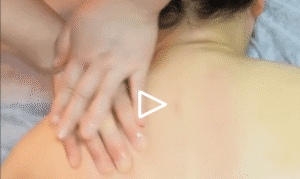

Pregnancy & IUI Benefits of Chinese Massage
Chinese medicine has supported women’s reproductive health for thousands of years. One of its most nurturing and accessible tools is Chinese massage therapy, especially Tuina (推拿)—a traditional form of therapeutic bodywork that stimulates the flow of energy (Qi), balances internal systems, and promotes reproductive well-being. In today’s holistic wellness landscape, Chinese massage is increasingly embraced by women preparing for pregnancy and undergoing IUI (intrauterine insemination) treatments.
Supporting Fertility and IUI Success
Chinese massage can help prepare the body for conception by creating an optimal internal environment for implantation and pregnancy. This is especially helpful for those undergoing fertility treatments such as IUI.
1. Enhancing Blood Flow to the Uterus and Ovaries
One of the core goals of Chinese massage is to stimulate healthy blood circulation. Increased blood flow to the reproductive organs improves nourishment of the ovaries, helps thicken the endometrial lining, and creates a more receptive environment for implantation.
A 2020 review published in Integrative Medicine Research noted that abdominal massage techniques, including Tuina, can significantly enhance uterine blood flow and improve reproductive function.
(Shin et al., 2020. Integr Med Res. 9(4): 100435)
2. Regulating Hormonal Imbalances
Chinese massage therapy works through the meridian system to balance internal organs such as the liver, spleen, and kidneys—all of which play a key role in reproductive hormone regulation.
In Traditional Chinese Medicine (TCM), the Kidney system governs fertility and reproduction. Tuina targeting Kidney and Spleen meridians helps regulate cycles, stimulate ovulation, and improve overall fertility.
(Li et al., 2016. Chinese Medicine. 11:15)
3. Reducing Stress and Cortisol Levels
Fertility treatments can be emotionally challenging. Chinese massage induces deep relaxation, calms the nervous system, and reduces levels of cortisol—the stress hormone known to interfere with hormonal balance and implantation success.
A centeral trial published in Complementary Therapies in Clinical Practice found that women undergoing fertility treatments who received massage therapy reported significantly lower levels of stress and anxiety.
(Field et al., 2009. Complement Ther Clin Pract. 15(3): 143–147)
Chinese Massage During Pregnancy: Gentle Support for Every Stage
While massage during pregnancy requires careful techniques, Chinese massage—when provided by trained professionals—offers safe and effective relief from common discomforts, especially in the second and third trimesters.
1. Alleviating Back and Pelvic Pain
As pregnancy progresses, many women experience back pain, hip tension, and sciatic discomfort. Tuina’s gentle manipulations help release tight muscles, realign posture, and reduce lower back pain.
A study published in the Journal of Clinical Nursing found that pregnant women who received massage therapy had significantly reduced pain in the lower back and legs.
(Field et al., 2012. J Clin Nurs. 21(11-12): 1525–1533)
2. Improving Sleep and Reducing Fatigue
Fatigue and insomnia are common pregnancy complaints. Chinese massage calms the mind and supports the flow of Qi, which helps regulate sleep cycles and restore energy.
In a study published in Sleep Medicine, massage therapy improved sleep quality and decreased fatigue in pregnant women.
(Li et al., 2010. Sleep Med. 11(8): 743–748)
3. Reducing Swelling (Edema)
Fluid retention during pregnancy often causes swelling in the feet and legs. Chinese massage stimulates lymphatic drainage and supports the Spleen and Kidney meridians, helping to reduce edema naturally.
When to Receive Chinese Massage
- For fertility and IUI: Massage is best done before ovulation to improve circulation and balance hormones. Light massage may also be used after IUI, but should be paused for 48 hours post-insemination to support implantation.
- During pregnancy: Massage is safe and recommended starting from week 13 of pregnancy, provided it’s performed by a trained prenatal therapist.
⚠️ Always consult with your doctor and ensure you work with certified Chinese medicine practitioners experienced in fertility and prenatal care.
Final Thoughts
Chinese massage is more than a relaxing treatment—it’s a powerful therapeutic method that supports both physical and emotional health. Whether you’re navigating the emotional challenges of fertility treatments like IUI or the physical changes of pregnancy, Chinese massage provides natural, holistic support that enhances your journey toward motherhood.
At Chinese Massage – Tai Chi Tirana, we offer personalized massage treatments rooted in authentic Chinese medicine, designed specifically for fertility support, pregnancy wellness, and women’s health.
👉 To book your custom treatment session, call or visit us today. We are here to support your health and wellbeing with skilled hands and heartfelt care.
📞 +355+355 68 541 4141
📍 Chinese Massage – Tai Chi Tirana, Tirana
References
- Shin, M. S., et al. (2020). Effectiveness of abdominal massage for fertility: A systematic review. Integrative Medicine Research, 9(4), 100435.
- Li, H., et al. (2016). Traditional Chinese Medicine and Fertility: Review and Future Directions. Chinese Medicine, 11, 15.
- Field, T., et al. (2009). Massage therapy effects on anxiety and depression during IVF. Complement Ther Clin Pract, 15(3), 143–147.
- Field, T., et al. (2012). Massage therapy reduces pain in pregnant women. J Clin Nurs, 21(11-12), 1525–1533.
- Li, C., et al. (2010). The effect of massage therapy on sleep quality in pregnant women. Sleep Med, 11(8), 743–748.

Shiatsu vs Chinese Tuina: Key Differences Explained
When you hear about Shiatsu massage or Chinese Tuina massage, it’s easy to think they’re similar. After all, both are rooted in traditional Eastern medicine, use acupressure, and aim to harmonize the body’s energy. Yet their techniques, focus, and even treatment experiences differ in important ways. Understanding these differences can help you choose the therapy that best supports your unique health and wellness needs.
Shiatsu, developed in Japan, is a gentle yet powerful therapy that uses finger and palm pressure along the meridians (energy pathways). It focuses on balancing Qi — the life force energy flowing through the body — and restoring harmony in both body and mind. Shiatsu sessions are deeply relaxing, often performed fully clothed on a comfortable mat or futon, and include gentle stretches to improve flexibility and circulation. This therapy is especially effective for stress relief, emotional balance, and fatigue.
Chinese Tuina, on the other hand, is one of the oldest forms of therapeutic massage, with over 2,000 years of history in China. It uses a broader variety of techniques, including kneading, rolling, grasping, and tapping. Tuina can be quite dynamic or intense depending on the condition treated, and it often addresses both external musculoskeletal problems (like back pain, stiff neck, or sports injuries) and internal imbalances (such as digestive issues or insomnia). This makes Tuina an excellent choice if you’re seeking relief from chronic pain or functional disorders.
In modern practice, both therapies have adapted to address today’s stress-related and physical conditions, making them highly relevant and effective. However, Shiatsu tends to focus on calming the nervous system and restoring emotional balance, while Tuina prioritizes structural and energetic corrections to treat physical pain and restore organ function.
By knowing the differences, you can confidently choose the therapy that matches your goals:
👉 Shiatsu if you want to deeply relax, release emotional tension, and restore energy flow.
👉 Tuina if you need targeted treatment for chronic pain, injuries, or systemic imbalances.

Remember, both therapies offer a holistic approach to healing — you don’t have to limit yourself to one! Trying both can give you the benefits of a comprehensive wellness routine.
🔑 Find your balance, heal your body.
Why Leg & Foot Pain? TCM Relief in Tirana
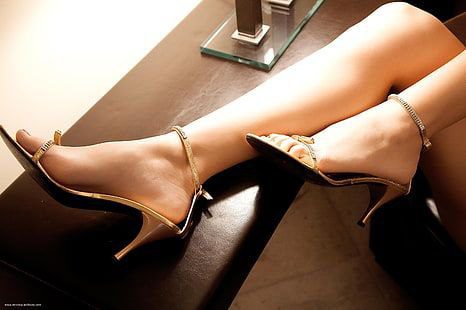
If you’re like many women, you’ve probably felt that familiar ache in your feet or legs after a long day—especially if you’ve been wearing your favorite (but not-so-comfy) high heels. While it might seem like just part of daily life, constant foot and leg pain isn’t something you should ignore. It could be your body’s way of asking for a little more care and balance.
Let’s look at what might be causing that pain—and how Traditional Chinese Medicine (TCM), including Chinese massage and acupuncture, can offer real, natural relief.
What’s Really Causing That Discomfort?
- Varicose Veins
These are those blue, bulging veins that often show up on the legs. They don’t just look annoying—they can make your legs feel heavy, sore, or tired. They happen when blood has trouble flowing properly, often from standing too long, hormonal changes, or simply genetics. Many women experience this, especially during or after pregnancy.
- Bad Circulation
If your legs or feet often feel cold, tingly, or numb, poor circulation might be to blame. Sitting too long at a desk, not moving enough, or wearing tight shoes can make it worse.
- Heels and Fashion Shoes
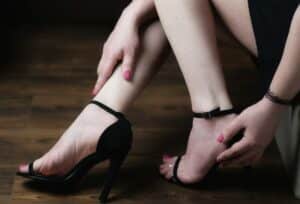
Let’s be honest—those stunning heels might make the outfit, but they’re not doing your legs any favors. Wearing high heels regularly puts pressure on your feet and calves, throws off your posture, and can leave you sore by the end of the day.
- Overuse or Muscle Strain
Running around all day, carrying bags, chasing kids, or just being on your feet nonstop can wear you down. This kind of overuse can lead to tight muscles, cramps, or sharp pains in the feet and legs.
- Hormones and Weight Changes
Women’s bodies go through a lot—pregnancy, menopause, monthly cycles. All of these can affect circulation and put extra pressure on the legs, leading to swelling and discomfort.
How TCM Brings Relief – Naturally
TCM looks at the body as a whole, and when it comes to foot and leg pain, it doesn’t just focus on where it hurts—it focuses on why. Here’s how we help:
Chinese Massage (Tui Na / Meridian Massage)
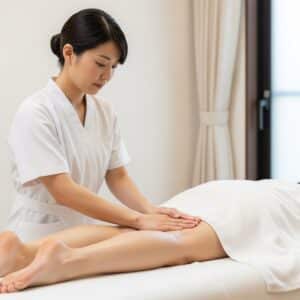
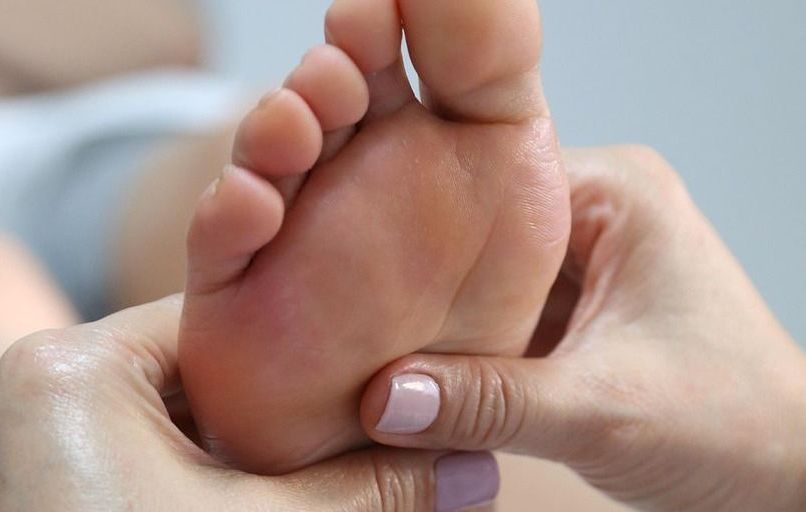
 This isn’t your average spa massage. We use techniques that target energy channels (called meridians) to:
- Get your blood flowing better
- Ease swelling and tension
- Help tired, achy muscles relax
- Reduce the heaviness or cramping in your legs
It’s especially helpful if you’ve been on your feet all day—or if your shoes looked great but felt terrible.
Acupuncture
 Small, gentle needles might sound scary, but they’re incredibly effective. Acupuncture helps:
- Improve circulation
- Calm inflammation or nerve pain
- Rebalance your energy (Qi)
- Ease symptoms from varicose veins or hormonal changes
 Feel Good in Your Body Again
At Chinese Massage – Tai Chi Tirana, we see many women dealing with these exact problems. Whether it’s tired legs after work, sore feet from fashion choices, or deeper issues like varicose veins, we’re here to help you feel better—naturally and gently.
You don’t have to live with daily pain. Book a session with us and discover how Chinese massage and acupuncture can help you walk easier, feel lighter, and maybe even love your heels again (in moderation, of course).


Shiatsu vs Tuina vs Swedish: Which Massage Style Suits You?
Frequently Asked Questions
Q: I’ve never had a massage before. Which style should I start with? Swedish massage is the most accessible entry point — gentle, oil-based, and with no prior experience required. If you’re in Tirana and want something with deeper therapeutic value from your very first session, our Relaxation Massage blends Western comfort with Eastern insight.
Q: What is the difference between Shiatsu and Chinese Tui Na? They sound similar. Both are meridian-based, but the approach differs significantly. Shiatsu uses sustained, stationary pressure and has a meditative quality. Tui Na is more active — rolling, kneading, mobilising — and is used centerally for specific conditions. We break this down in detail in our article: Shiatsu vs Chinese Tui Na Massage.
Q: I have chronic back pain. Which massage is most effective? Chinese Tui Na is considered one of the most centerally effective styles for musculoskeletal pain. It works not just on the muscles but on the underlying Qi imbalances that perpetuate pain cycles. Our Therapeutic Massage is specifically designed for these cases, and can be combined with Acupuncture or Gua Sha & Cupping for enhanced results.
Q: Is Thai massage painful? It can be intense, especially if you have tight hips or hamstrings — but it shouldn’t be sharply painful. Good Thai massage practitioners work within your range and adjust pressure to feedback. The sensation is often described as “good pain” — uncomfortable but immediately releasing.
Q: I feel emotionally drained and burned out. Which massage helps most? Shiatsu and Tibetan-inspired approaches are best suited to nervous system reset and emotional depletion. At Tai Chi Tirana, our Volcanic Stone Therapy and Mud Moxibustion are also particularly effective for deep nervous system calming.
Q: Can I combine different massage styles in one session? Yes — and this is often the most effective approach. At Tai Chi, our practitioners naturally blend Tui Na, acupressure, Gua Sha, and heat therapy based on what your body needs in that session. You don’t need to choose one style rigidly.
Q: How often should I get a massage? For general wellness maintenance: once every 2–4 weeks. For active therapeutic goals (e.g. chronic pain, insomnia, post-injury): weekly or bi-weekly, at least for the first 4–6 sessions. Our practitioners can advise a protocol after your first visit.
Q: Do you offer couple massages and four-hands massages? Yes! These are among our most popular experiences. See our Couple Massage and Four Hands Massage pages to learn more and book.
Conclusion: A Harmonious Blend for Modern Wellness
In today’s world, it’s important to recognize that there is no such thing as a “pure” or isolated form of massage anymore. Over time, traditional techniques have evolved by drawing inspiration from one another—blending methods, philosophies, and healing insights across cultures. Whether it’s the precision of Shiatsu, the flowing rhythm of Swedish massage, or the deep energy work of Chinese Tui Na, each form contributes to the global practice of healing touch.
No matter the style, massage has become more than a luxury—it is a vital support for physical and emotional balance in our fast-paced, often stressful modern lives. Here in Tirana, where the rhythm of city life rarely slows down, taking time for massage therapy is one of the most effective ways to restore inner harmony and resilience.
Not sure which style is right for you? Contact us or simply book a session — our therapists will assess your needs and recommend the most suitable approach. We are located in the centre of Tirana.

Why Massage Therapy Is Essential After 40
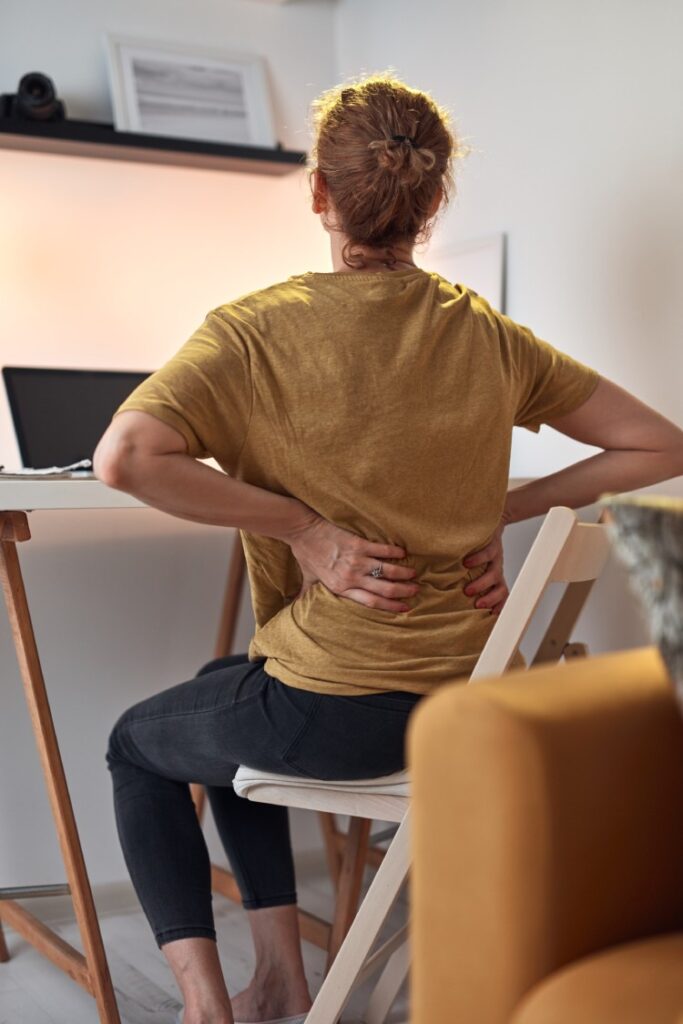
Entering your 40s is a major milestone in life, often accompanied by shifts in physical, emotional, and hormonal health. Scientific data increasingly shows that individuals over 40 face a growing risk of chronic pain, stress-related disorders, and musculoskeletal issues. Fortunately, therapeutic modalities like massage and acupuncture are not just luxuries – they are essential tools for maintaining optimal health. Here’s why massage therapy becomes more than just a treat after 40, especially when viewed through a gender-specific lens.
The Age of Chronic Aches: What Science Says
According to the Centers for Disease Control and Prevention (CDC), the prevalence of chronic pain significantly increases after the age of 40. Among adults aged 45-64, nearly 30% report chronic pain compared to just 15% among those aged 18-44. Chronic back pain, neck stiffness, and joint discomfort become more frequent as muscles and connective tissues lose elasticity.
Gender-Specific Trends:
- Women over 40 are more likely to suffer from fibromyalgia, tension headaches, and osteoarthritis. Hormonal changes during perimenopause and menopause are associated with increased inflammation and decreased pain threshold (Mayo Clinic).
- Men over 40 are more prone to lower back pain and stress-related muscular tension, often related to occupational strain and reduced physical activity (NIH).
Massage therapy, including techniques such as deep tissue, trigger point therapy, and myofascial release, directly targets these conditions. Studies confirm significant reductions in pain intensity and muscle tightness following regular massage treatments (Furlan et al., 2008).
Stress and Cardiovascular Risk: An Invisible Burden
From age 40 onwards, stress-related illnesses become a growing concern. Cortisol levels – the body’s primary stress hormone – remain elevated longer in older adults, contributing to anxiety, hypertension, and sleep disturbances (APA, 2017).
Gender-Specific Impact:
- Women often experience emotional stress more intensely, with a higher risk of anxiety and insomnia (Harvard Health).
- Men show a higher incidence of hypertension and cardiovascular disease after 40 (CDC).
Massage and acupuncture are centerally proven to reduce cortisol levels and enhance parasympathetic nervous system activity. A study found that a 20-minute massage twice weekly for five weeks significantly reduced cortisol and increased serotonin and dopamine (Field et al., 2005).
Metabolism, Mobility, and Mental Health
After 40, metabolism slows down, and joint stiffness or reduced mobility becomes common. Massage therapy promotes lymphatic drainage, improved circulation, and joint flexibility, making it easier to maintain an active lifestyle.
Moreover, the psychological benefits are equally important. Touch therapy releases endorphins and oxytocin, essential for emotional well-being. Women report improved mood and reduced symptoms of depression, while men report better sleep and reduced fatigue following massage and acupuncture sessions (Moyer et al., 2011).
Acupuncture: A Complementary Ally
Acupuncture, rooted in Traditional Chinese Medicine, works synergistically with massage therapy. It has been shown to be effective in managing chronic pain, hormonal imbalances, and stress-related disorders. For example:
- A 2018 study found acupuncture reduces chronic musculoskeletal pain by up to 50% (BMJ, Vickers et al.).
- For women, acupuncture helps regulate menopausal symptoms like hot flashes and mood swings (NIH NCCIH).
- For men, it can support testosterone regulation and energy levels (Yin et al., 2018).
Conclusion: Self-Care Is Not a Luxury After 40 – It’s a Necessity
Scientific evidence clearly supports that both massage – in particular Chinese massage – and acupuncture are more than relaxing indulgences. They are proactive health measures that address age-related physical and emotional challenges in both men and women. Whether you’re dealing with chronic pain, stress, or declining mobility, integrating massage therapy into your lifestyle after 40 is a smart, science-backed decision.
Your body is changing – but with the right support, you can age with strength, grace, and vitality.