The nerve that runs down your leg

There is a particular kind of pain that people describe as if it has a personality. It is not where they point — it starts somewhere in the low back or the buttock and then it goes somewhere, down through the back of the thigh, past the knee, sometimes all the way to the foot. It has a route. It takes the same road every time.

That is sciatica, and the reason it feels personal is that it is anatomically specific: the sciatic nerve is the longest in the body, and when something presses on its root, the complaint travels the whole length of the line.

Why the picture can be clear and the pain still loud

Many people arrive having already had an MRI. The disc is there, or the disc used to be there and has since moved, or the scan is technically fine but the nerve is still sending signals no one ordered. A clear image is genuinely reassuring — it means nothing is catastrophically wrong — but it does not switch off a nervous system that has learned, over weeks or months, to stay on alert. The tissue around the nerve root stays a little compressed and a little inflamed; the muscles along the back of the leg brace against the anticipated pain; the whole chain becomes self-reinforcing.

What the needles are doing

When I work with sciatica, I use points along the Bladder and Gallbladder meridians — which, practically speaking, run close to the path of the sciatic nerve itself. The needles do not touch the nerve; they sit in the muscle layers around it. What they encourage is local circulation in tissue that has been running tight and a little ischaemic, and they interrupt the pain-signal loop that keeps the nervous system primed. In Chinese medicine we would say we are moving what has become stuck in the channel; in plainer terms, the muscle stops bracing, the tissue softens a little, and the nerve gets more room.

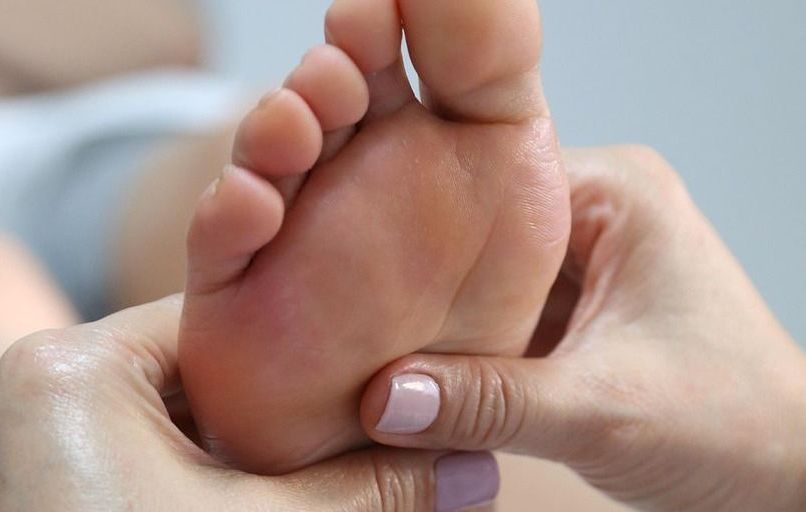
I usually add a session of Tui Na to the same visit — targeted work on the lumbar region and the piriformis, which is often where the compression begins. The two together tend to achieve more than either alone.

A man who drove everywhere he used to walk

He came in because a colleague at his office had mentioned the parlour. He had been managing sciatica for about eight months — not bedridden, still working, but driving everywhere he used to walk because the left leg became unreliable on longer stretches. He had done the course of anti-inflammatories, the physiotherapy exercises, the rest. Things were a little better and then a little worse and then settled into a plateau that he had quietly accepted.

We did eight sessions over five weeks — acupuncture each time, Tui Na on most of them. By the fourth visit he noticed the leg was quieter in the mornings. By the seventh he had walked from his office to a meeting across town, fifteen minutes, without stopping to think about it. He still comes in once a month. Not because the sciatica is back, but because he says the monthly reset keeps it away.

What to expect, and when to pause

Sciatica that has been present for a few weeks responds faster than sciatica that has been present for months. Most people feel some change — less severity, shorter episodes, better sleep — within the first three or four sessions. A full course for a stubborn case is usually eight to twelve visits.

One honest note: if there is any weakness in the leg — difficulty lifting the foot, noticeable loss of strength — or if bladder or bowel function has changed, please see a doctor before anything else. Those are signals that need imaging and medical assessment; acupuncture works well alongside that, not instead of it.

You can read more about how I work, and the kinds of pain I see most often, on the acupuncture page.

Yang Wang practises acupuncture and therapeutic massage at Chinese Massage – Tai Chi Tirana. The parlour is in central Tirana, a short walk from Bulevardi Myslym Shyri. Names in client stories have been changed.
The line down the leg: acupuncture for sciatica

There is a particular kind of pain that people describe the same way everywhere — in Tirana, in the Netherlands, in Chicago. It starts somewhere in the lower back, then it moves. Down through the buttock, into the thigh, sometimes all the way to the calf or the foot. It is not a dull background ache. It is a line. Sharp, electric, insistent, and often worst when you sit down for any length of time, which is exactly when you most want to rest.

This is sciatica — or more precisely, irritation of the sciatic nerve, the longest nerve in the body. It is one of the conditions people bring to me most often, usually after a scan, some physiotherapy, and a lot of patience that has finally run out.

What is actually happening

The sciatic nerve runs from the lower spine down through the pelvis and all the way into the foot. When something presses on it — a disc that has shifted slightly, a muscle that has tightened around it, or simply prolonged compression from sitting — the nerve sends its complaint along its entire length. The brain cannot always tell exactly where the trouble starts, so you feel it everywhere the nerve goes.

The most common picture I see is this: a person who sits for work, drives for an hour, and over some weeks or months the lower back stops recovering properly between days. The piriformis muscle, deep in the buttock, gradually tightens and presses on the nerve from the outside. Or a disc in the lumbar spine nudges slightly out of place. Either way, the result is that line of pain.

Why the scan is often clear — and why that is not the end of the story

Many people who walk in here have been told the scan shows nothing significant. This is honest and mostly reassuring, but it can also feel like a non-answer when the leg still hurts. What a scan shows is the structure — bones, discs, the space around the nerve. What it does not show is the pattern of muscle tension, the small persistent tightness, or the way the nervous system has learned to keep the alarm running even when the original cause has quietened.

This is exactly the territory acupuncture works in.

What the needles do

Fine needles placed around the lower back, the gluteal region, and along the pathway of the sciatic nerve do two things that matter.

First, they encourage local circulation to areas that have been chronically tight and under-perfused. Muscles that have been guarding the nerve for months tend to be holding their breath, so to speak — less blood moving through, less capacity to release. The needles prompt the tissue to relax its grip.

Second, they interrupt the nerve-sensitisation loop. Pain that has been present for weeks or months tends to perpetuate itself: the nervous system becomes more efficient at sending the signal, even when the mechanical cause is minor. Acupuncture — particularly at points along the Bladder and Gallbladder meridians, which map closely to the sciatic nerve’s path — gives the system a reason to turn the sensitivity down.

A client who came in earlier this year — I will call her Mira — had been managing the leg pain for four months. She had tried rest, physiotherapy, and a short course of anti-inflammatories. The pain had reduced but settled into a stubborn baseline she could not shift. We worked over eight sessions, twice a week at first, then once a week. By the fourth visit the calf burning had mostly stopped. By the eighth the lower back was still tender in the mornings but the line down the leg was gone. She now comes once a month as a precaution, and she has added a massage to each visit because, as she put it, the combination feels like the two things working in conversation rather than in isolation.

That is something I notice often: acupuncture and therapeutic massage together address sciatica from two directions — the nerve signal from the needles, the muscle tension from the hands. The massage + acupuncture combination has become the most common approach for people with persistent sciatic pain, and the results tend to hold better than either alone.

What to expect

Sciatica that is recent — a few weeks — sometimes responds in three or four sessions. Sciatica that has been present for months usually needs more: a course of eight to twelve visits is realistic, with a reassessment at the halfway point. Most people feel very little during the session itself — a small spreading warmth or a brief twitch as a needle finds a tight spot.

A note on what this is not: acupuncture is not a substitute for imaging if there is weakness in the leg, difficulty with bladder or bowel function, or severe pain that woke you from sleep — those warrant a doctor visit first. For the far more common situation — a persistent, manageable, image-clear sciatic line that has outstayed its welcome — this is precisely what the work is for.

You can read more about how I approach this on the acupuncture page.

Yang Wang practises acupuncture and therapeutic massage at Chinese Massage – Tai Chi Tirana. The parlour is in central Tirana, a short walk from Bulevardi Myslym Shyri. Names in client stories have been changed.
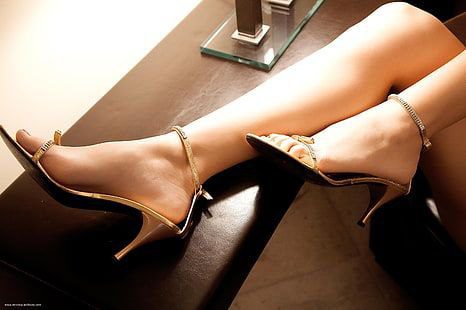
Why Leg & Foot Pain? TCM Relief in Tirana

If you’re like many women, you’ve probably felt that familiar ache in your feet or legs after a long day—especially if you’ve been wearing your favorite (but not-so-comfy) high heels. While it might seem like just part of daily life, constant foot and leg pain isn’t something you should ignore. It could be your body’s way of asking for a little more care and balance.

Let’s look at what might be causing that pain—and how Traditional Chinese Medicine (TCM), including Chinese massage and acupuncture, can offer real, natural relief.

What’s Really Causing That Discomfort?

  1. Varicose Veins

These are those blue, bulging veins that often show up on the legs. They don’t just look annoying—they can make your legs feel heavy, sore, or tired. They happen when blood has trouble flowing properly, often from standing too long, hormonal changes, or simply genetics. Many women experience this, especially during or after pregnancy.

  1. Bad Circulation

If your legs or feet often feel cold, tingly, or numb, poor circulation might be to blame. Sitting too long at a desk, not moving enough, or wearing tight shoes can make it worse.

  1. Heels and Fashion Shoes

Let’s be honest—those stunning heels might make the outfit, but they’re not doing your legs any favors. Wearing high heels regularly puts pressure on your feet and calves, throws off your posture, and can leave you sore by the end of the day.

  1. Overuse or Muscle Strain

Running around all day, carrying bags, chasing kids, or just being on your feet nonstop can wear you down. This kind of overuse can lead to tight muscles, cramps, or sharp pains in the feet and legs.

  1. Hormones and Weight Changes

Women’s bodies go through a lot—pregnancy, menopause, monthly cycles. All of these can affect circulation and put extra pressure on the legs, leading to swelling and discomfort.

How TCM Brings Relief – Naturally

TCM looks at the body as a whole, and when it comes to foot and leg pain, it doesn’t just focus on where it hurts—it focuses on why. Here’s how we help:

Chinese Massage (Tui Na / Meridian Massage)

This isn’t your average spa massage. We use techniques that target energy channels (called meridians) to:

  • Get your blood flowing better
  • Ease swelling and tension
  • Help tired, achy muscles relax
  • Reduce the heaviness or cramping in your legs

It’s especially helpful if you’ve been on your feet all day—or if your shoes looked great but felt terrible.

Acupuncture

Small, gentle needles might sound scary, but they’re incredibly effective. Acupuncture helps:

  • Improve circulation
  • Calm inflammation or nerve pain
  • Rebalance your energy (Qi)
  • Ease symptoms from varicose veins or hormonal changes

Feel Good in Your Body Again

At Chinese Massage – Tai Chi Tirana, we see many women dealing with these exact problems. Whether it’s tired legs after work, sore feet from fashion choices, or deeper issues like varicose veins, we’re here to help you feel better—naturally and gently.

You don’t have to live with daily pain. Book a session with us and discover how Chinese massage and acupuncture can help you walk easier, feel lighter, and maybe even love your heels again (in moderation, of course).