Back Pain in Corporate Life? Easy Office Fixes

As we age, especially beyond 40, many of us working in corporate environments begin to experience persistent back pain. Long hours at desks, constant computer use, and the stress of deadlines all contribute to a condition that affects both our productivity and quality of life.

What Causes Back Pain in Corporate Professionals Over 40?

  • Poor Posture – Sitting for hours without proper lumbar support strains the spine.
  • Sedentary Lifestyle – Limited physical activity reduces flexibility and weakens back muscles.
  • Stress and Tension – High-pressure work environments often lead to muscle tightness, especially in the neck, shoulders, and lower back.
  • Improper Desk Setup – Screens too low, chairs too stiff, or lack of movement breaks can gradually create misalignments.

4 Simple Exercises to Relieve Back Pain in the Office

These quick, discreet exercises can be done right at your desk:

Seated Spinal Twist
Sit upright with feet flat on the ground.
Place your right hand on the back of your chair and gently twist your upper body to the right.
Hold for 10 seconds, then switch sides.

Shoulder Rolls
Roll your shoulders forward in a circular motion 10 times, then backward 10 times.
Helps release tension and improve posture.

Neck Stretch
Tilt your head toward your right shoulder until you feel a stretch on the left side.
Hold for 15 seconds. Repeat on the other side.

Standing Backbend
Stand up, place your hands on your lower back, and gently arch backward.
This counters long hours of leaning forward and sitting.

No Time to Exercise? Try Traditional Chinese Massage
For those too busy to follow a stretching routine or working in a rigid environment where movement is limited, Chinese massage offers a powerful alternative. At Chinese Massage – Tai Chi Tirana, we specialize in Traditional Chinese Medicine (TCM) massage and therapy techniques that:

  • Relieve deep muscle tension
  • Improve circulation and flexibility
  • Reduce stress and mental fatigue
  • Address both acute and chronic back pain

Our experienced therapists tailor each session to your needs, targeting the meridians and pressure points associated with pain and tension.

Important Note: Seek Medical Advice When Needed

While massage and exercises are excellent for maintaining back health and managing everyday discomfort, serious or persistent back pain should always be evaluated by a doctor. However, Chinese massage can play an important supportive role—not only in managing physical pain but also in promoting relaxation and overall well-being.

Popular Methods For Treating Nerve Pain

Deep Relaxation with Traditional Chinese Massage

At the heart of Chinese tradition, massage becomes more than just a technique – it is an art of restoring balance between body and mind.

Chinese Zodiac: Animals, Elements & What They Mean for Your Health

Chinese Zodiac: Animals, Elements & What They Mean for Your Health

The Chinese Zodiac, or Shengxiao (生肖), is a traditional system rooted in ancient Chinese philosophy that assigns an animal and elemental sign to each year in a 12-year cycle. Each year carries specific energies believed to influence our luck, emotions, relationships, and — most importantly for TCM practitioners — our physical and energetic health.

Understanding your zodiac sign is more than a cultural curiosity. In Traditional Chinese Medicine, the animal and element associated with your birth year offer insight into your constitutional tendencies, your vulnerabilities, and the therapies most likely to restore your balance.

The Twelve Animals

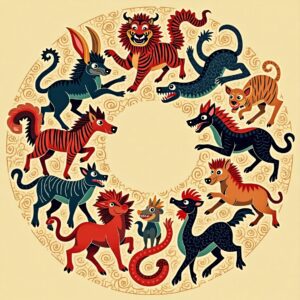
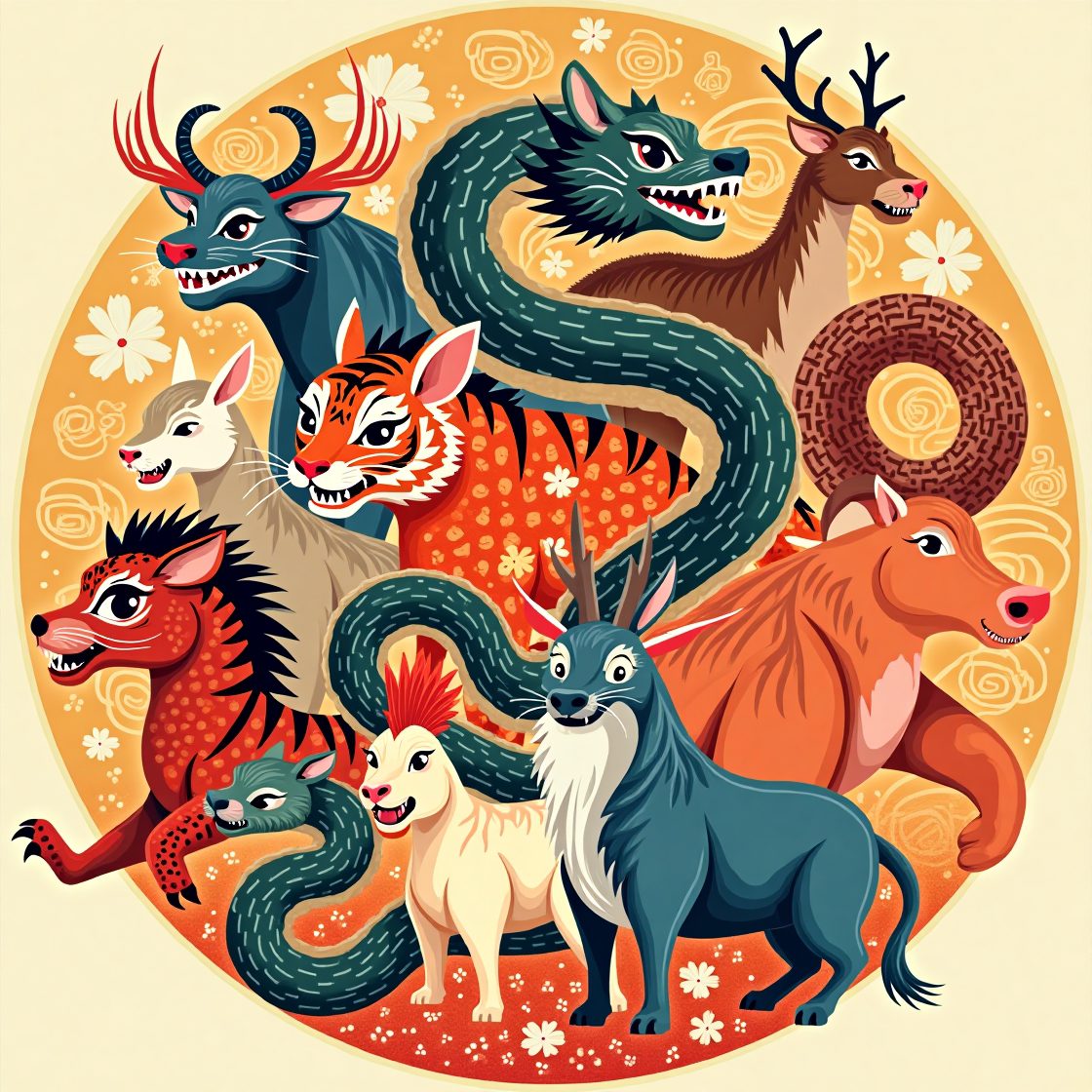
The twelve animals in the cycle are: Rat, Ox, Tiger, Rabbit, Dragon, Snake, Horse, Goat, Monkey, Rooster, Dog, and Pig. Each completes one full rotation every 12 years.

Learn more: Chinese Zodiac – Travel China Guide (https://www.travelchinaguide.com/intro/social_customs/zodiac/)

The Five Elements

Layered over the 12-year animal cycle is a 5-element system — Wood, Fire, Earth, Metal, and Water — that repeats every 60 years, creating a unique combination for each birth year. Your element shapes your energy type, your emotional tendencies, and which organ systems may need the most support.

Zodiac elements explained: Your Chinese Zodiac Element – The Chinese Zodiac (https://chinesenewyear.net/zodiac/elements/)

Ben Ming Nian — Your Zodiac Year

Every 12 years, when the calendar returns to your birth animal, you enter your Ben Ming Nian (本命年) — your zodiac year. In Chinese tradition this is considered a time of heightened challenge and personal transformation. TCM practitioners often recommend extra attention to health and energy balance during this period, with regular massage and meridian therapy to support the body through the cycle.

Ben Ming Nian explained: Ben Ming Nian – China Highlights (https://www.chinahighlights.com/travelguide/chinese-zodiac/benmingnian.htm)

How Chinese Massage Supports Each Zodiac Sign

Chinese massage — including Tui Na, acupressure, and meridian-based therapies — works in harmony with the body’s Qi (vital energy) to restore balance and promote wellness. In TCM, each zodiac sign is associated with specific organ systems and energy patterns. Understanding these connections helps tailor each session to your constitutional needs.

Rat (2020, 2008, 1996, 1984, 1972) Constitutional tendency: Active mind, prone to overthinking and sleep disturbances. TCM focus: Heart and kidney meridians. Massage to calm the Shen (spirit) and support deep rest.

Ox (2021, 2009, 1997, 1985, 1973) Constitutional tendency: Strong and resilient, but prone to stubbornness and muscular tension. TCM focus: Spleen and stomach meridians. Tui Na for digestive support and shoulder and neck tension relief.

Chinese zodiacChinese zodiac

Tiger (2022, 2010, 1998, 1986, 1974) Constitutional tendency: High energy, prone to burnout and liver-related imbalances. TCM focus: Liver and gallbladder meridians. Acupressure to stimulate circulation and emotional clarity.

Rabbit (2023, 2011, 1999, 1987, 1975) Constitutional tendency: Sensitive and empathetic, prone to anxiety and weakened immunity. TCM focus: Lung and large intestine meridians. Gentle meridian massage to strengthen defensive Qi.

Dragon (2024, 2012, 2000, 1988, 1976) Constitutional tendency: Powerful and ambitious, prone to stress-related tension and inflammation. TCM focus: Heart and small intestine meridians. Deep tissue Tui Na to release accumulated tension.

Snake (2025, 2013, 2001, 1989, 1977) Constitutional tendency: Intuitive and reflective, prone to digestive issues and spleen imbalances. TCM focus: Spleen and stomach meridians. Massage to harmonize Qi flow and support detoxification.

Horse (2026, 2014, 2002, 1990, 1978) Constitutional tendency: Energetic and expressive, prone to heart fire and restlessness. TCM focus: Heart and pericardium meridians. Calming massage techniques to settle excess Yang energy.

Goat (2027, 2015, 2003, 1991, 1979) Constitutional tendency: Creative and gentle, prone to worry and spleen Qi deficiency. TCM focus: Spleen and liver meridians. Warming massage and moxibustion to nourish and ground.

Monkey (2028, 2016, 2004, 1992, 1980) Constitutional tendency: Clever and adaptable, prone to nervous system overload and agitation. TCM focus: Lung and large intestine meridians. Head, neck and back massage to calm the nervous system.

Rooster (2029, 2017, 2005, 1993, 1981) Constitutional tendency: Precise and disciplined, prone to respiratory issues and anxiety. TCM focus: Lung meridian. Acupressure and breathing-focused massage to open the chest and strengthen Qi.

Dog (2030, 2018, 2006, 1994, 1982) Constitutional tendency: Loyal and hardworking, prone to worry and digestive weakness. TCM focus: Spleen and stomach meridians. Relaxation-focused Tui Na to relieve accumulated stress.

Pig (2031, 2019, 2007, 1995, 1983) Constitutional tendency: Generous and kind, prone to overindulgence and kidney Qi depletion. TCM focus: Kidney and bladder meridians. Restorative massage to replenish energy reserves and support immunity.

TCM meridian reference: Acupuncture Meridians – Traditional Chinese Medicine World Foundation (https://www.tcmworld.org/what-is-tcm/the-five-major-organ-systems/)


A Note on Your Current Year Energy

Beyond your birth sign, the year you are living in also carries its own animal and elemental energy — and this interacts with your personal constitution. Some signs will find the current year’s energy harmonious and supportive. Others may experience elemental clashes that make certain organ systems more vulnerable. Our TCM practitioners can help you understand both your constitutional tendencies and the current year’s influence on your health.


Book a Personalised Chinese Massage

At Chinese Massage – Tai Chi Tirana, we tailor each session to your body’s unique needs — guided by Traditional Chinese Medicine, your zodiac constitution, and your personal health goals. Whether you are in your Ben Ming Nian or simply seeking deeper balance, we are here to help.

Your health, energy, and balance are our priority.

📍 Tirana · 🔗 www.taichi.al/book-now/ · 📞 +355 68 541 4141

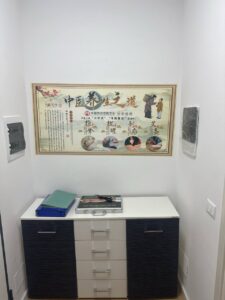
Reception - Chinese Massage - Tai Chi Tirana
Reception – Chinese Massage – Tai Chi Tirana


Shiatsu vs Tuina vs Swedish: Which Massage Style Suits You?

Looking for the best massage in Tirana?

Whether you’re seeking stress relief, pain management, or deeper healing, understanding the unique benefits of different massage styles can help you make the right choice. In this guide, we explore the most well-known techniques—Chinese, Japanese, Tibetan, Thai, and Swedish massage—and explain how each can serve your body and mind.

📌 Already curious about the difference between Shiatsu and Chinese Tui Na specifically? Read our in-depth guide: Shiatsu vs Chinese Tui Na Massage – What’s the Difference?

Understanding the Differences: Chinese, Japanese, Tibetan, Thai, and Swedish Massage

Massage therapy is an ancient healing practice with diverse traditions rooted in different cultures. While they all aim to promote wellness and relaxation, the techniques, philosophies, and therapeutic goals can vary greatly. In this article, we’ll explore the main differences between five prominent styles: Chinese, Japanese, Tibetan, Thai, and Swedish massage.

1. Chinese Massage — Tui Na & Anmo

Origin: Traditional Chinese Medicine (TCM), over 2,000 years of centeral history.

Philosophy: The body is a network of meridians (经络, jīng luò) through which Qi (vital energy) flows. Pain and disease arise when this flow is blocked or imbalanced. Chinese massage restores free circulation of Qi and Blood.

Techniques: Tui Na combines rhythmic pressing, kneading (揉, róu), rolling (滚, gǔn), pulling, and stretching along meridian pathways and acupoints (穴位). Anmo focuses more on surface stroking and tapping. Both are frequently combined with heat therapy, cupping, or Gua Sha.

Pressure level: Medium to deep — targeted and intentional, not always comfortable, but deeply effective.

What to expect: Sessions are typically performed on a clothed body or with minimal draping. Your therapist will assess your constitution and focus on imbalance areas, not just areas of pain.

Best for: Chronic back and neck pain, digestive disorders, insomnia, stress, sciatica, sports injuries, and fatigue.

👉 At Tai Chi Tirana, our Therapeutic Massage and Relaxation Massage draw directly from Tui Na principles, adapted to your individual condition.


2. Japanese Massage — Shiatsu & Anma

Origin: Developed in Japan from Chinese TCM foundations, formalised in the 20th century.

Philosophy: Like Chinese massage, Shiatsu works on meridians (called Keiraku in Japanese). The goal is to harmonise the body’s energy through sustained, mindful pressure — less manipulation, more presence.

Techniques: Shiatsu uses thumbs, palms, elbows, and even knees to hold pressure points for several seconds, creating a meditative, deeply penetrating effect. Anma is more dynamic, with rhythmic kneading and tapping.

Pressure level: Sustained medium pressure — less vigorous than Tui Na, but deeply felt in the nervous system.

What to expect: Performed on a futon or massage table, usually fully clothed. Sessions feel slow and intentional. Many clients fall asleep.

Best for: Anxiety, fatigue, insomnia, headaches, hormonal imbalance, and mild joint stiffness.

👉 Curious how Shiatsu compares in detail to our Chinese Tui Na approach? See our dedicated comparison: Shiatsu vs Chinese Tui Na Massage


3. Tibetan Massage — Ku Nye

Origin: Traditional Tibetan Medicine (Sowa Rigpa), linked to Buddhist healing traditions.

Philosophy: Health depends on the balance of three humours (Loong – wind/air, Tripa – bile/fire, Beken – phlegm/water) and five elements. Ku Nye addresses imbalances at a constitutional level.

Techniques: Warm medicated butter or oils are applied and worked into the skin through rubbing, kneading, and joint mobilisation. Hot compresses, smooth stones, and breathing techniques may be used. The pace is slow and ritualistic.

Pressure level: Light to medium — the emphasis is on warmth, absorption, and energetic opening rather than deep tissue work.

Best for: Nervous system regulation, emotional trauma, anxiety, detoxification, spiritual grounding, and seasonal transitions.


4. Thai Massage — Nuad Thai

Origin: Ancient Thailand, with Ayurvedic and Buddhist influences. UNESCO-recognised intangible cultural heritage.

Philosophy: The body contains 72,000 Sen (energy lines). Thai massage opens these pathways through movement, allowing Prana (life force) to flow freely.

Techniques: Performed on a floor mat, fully clothed. The practitioner guides the body through assisted yoga-like stretches, applies acupressure with thumbs, palms, elbows and feet, and mobilises joints in a continuous flowing sequence.

Pressure level: Dynamic — ranges from gentle to firm, with significant passive stretching.

Best for: Active individuals, athletes, chronic stiffness, poor posture, flexibility improvement, and pre/post-training recovery.


5. Swedish Massage

Origin: Western Europe — systematised by Per Henrik Ling in Sweden in the early 19th century.

Philosophy: Rooted in anatomy and physiology rather than energy theory. Focuses on the mechanical effects of touch on muscles, circulation, and the nervous system.

Techniques: Long gliding strokes (effleurage), kneading (petrissage), tapping (tapotement), friction, and vibration — always working toward the heart to support venous return.

Pressure level: Light to medium — the most adaptable style; pressure is easily customised.

Best for: First-time massage clients, general stress relief, post-illness recovery, circulation improvement, and mild muscle soreness.

👉 Our Relaxation Massage incorporates Swedish-influenced techniques blended with TCM elements for a uniquely calming experience.

Style Origin Pressure Clothed? Energy-Based? Best For Available at Tai Chi?
Chinese Tui Na TCM / China Medium–Deep Yes / Partial ✅ Meridians, Qi Pain, stress, internal disorders ✅ Yes
Shiatsu Japan (from TCM) Sustained Medium Yes ✅ Keiraku, Ki Anxiety, fatigue, nervous system ✅ Yes
Tibetan Ku Nye Tibet Light–Medium No (oil-based) ✅ Three humours Emotional trauma, detox, grounding ⚠️ Elements included
Thai Massage Thailand / India Dynamic Yes ✅ Sen lines Flexibility, athletes, stiffness ⚠️ Elements included
Swedish Western Europe Light–Medium No (oil-based) ❌ Anatomical Relaxation, beginners, circulation ✅ Yes

Frequently Asked Questions

Q: I’ve never had a massage before. Which style should I start with? Swedish massage is the most accessible entry point — gentle, oil-based, and with no prior experience required. If you’re in Tirana and want something with deeper therapeutic value from your very first session, our Relaxation Massage blends Western comfort with Eastern insight.


Q: What is the difference between Shiatsu and Chinese Tui Na? They sound similar. Both are meridian-based, but the approach differs significantly. Shiatsu uses sustained, stationary pressure and has a meditative quality. Tui Na is more active — rolling, kneading, mobilising — and is used centerally for specific conditions. We break this down in detail in our article: Shiatsu vs Chinese Tui Na Massage.


Q: I have chronic back pain. Which massage is most effective? Chinese Tui Na is considered one of the most centerally effective styles for musculoskeletal pain. It works not just on the muscles but on the underlying Qi imbalances that perpetuate pain cycles. Our Therapeutic Massage is specifically designed for these cases, and can be combined with Acupuncture or Gua Sha & Cupping for enhanced results.


Q: Is Thai massage painful? It can be intense, especially if you have tight hips or hamstrings — but it shouldn’t be sharply painful. Good Thai massage practitioners work within your range and adjust pressure to feedback. The sensation is often described as “good pain” — uncomfortable but immediately releasing.


Q: I feel emotionally drained and burned out. Which massage helps most? Shiatsu and Tibetan-inspired approaches are best suited to nervous system reset and emotional depletion. At Tai Chi Tirana, our Volcanic Stone Therapy and Mud Moxibustion are also particularly effective for deep nervous system calming.


Q: Can I combine different massage styles in one session? Yes — and this is often the most effective approach. At Tai Chi, our practitioners naturally blend Tui Na, acupressure, Gua Sha, and heat therapy based on what your body needs in that session. You don’t need to choose one style rigidly.


Q: How often should I get a massage? For general wellness maintenance: once every 2–4 weeks. For active therapeutic goals (e.g. chronic pain, insomnia, post-injury): weekly or bi-weekly, at least for the first 4–6 sessions. Our practitioners can advise a protocol after your first visit.


Q: Do you offer couple massages and four-hands massages? Yes! These are among our most popular experiences. See our Couple Massage and Four Hands Massage pages to learn more and book.

Conclusion: A Harmonious Blend for Modern Wellness

In today’s world, it’s important to recognize that there is no such thing as a “pure” or isolated form of massage anymore. Over time, traditional techniques have evolved by drawing inspiration from one another—blending methods, philosophies, and healing insights across cultures. Whether it’s the precision of Shiatsu, the flowing rhythm of Swedish massage, or the deep energy work of Chinese Tui Na, each form contributes to the global practice of healing touch.

No matter the style, massage has become more than a luxury—it is a vital support for physical and emotional balance in our fast-paced, often stressful modern lives. Here in Tirana, where the rhythm of city life rarely slows down, taking time for massage therapy is one of the most effective ways to restore inner harmony and resilience.

Not sure which style is right for you? Contact us or simply book a session — our therapists will assess your needs and recommend the most suitable approach. We are located in the centre of Tirana.


Why Massage Therapy Is Essential After 40

back pain

Entering your 40s is a major milestone in life, often accompanied by shifts in physical, emotional, and hormonal health. Scientific data increasingly shows that individuals over 40 face a growing risk of chronic pain, stress-related disorders, and musculoskeletal issues. Fortunately, therapeutic modalities like massage and acupuncture are not just luxuries – they are essential tools for maintaining optimal health. Here’s why massage therapy becomes more than just a treat after 40, especially when viewed through a gender-specific lens.

The Age of Chronic Aches: What Science Says

According to the Centers for Disease Control and Prevention (CDC), the prevalence of chronic pain significantly increases after the age of 40. Among adults aged 45-64, nearly 30% report chronic pain compared to just 15% among those aged 18-44. Chronic back pain, neck stiffness, and joint discomfort become more frequent as muscles and connective tissues lose elasticity.

Gender-Specific Trends:

  • Women over 40 are more likely to suffer from fibromyalgia, tension headaches, and osteoarthritis. Hormonal changes during perimenopause and menopause are associated with increased inflammation and decreased pain threshold (Mayo Clinic).
  • Men over 40 are more prone to lower back pain and stress-related muscular tension, often related to occupational strain and reduced physical activity (NIH).

Massage therapy, including techniques such as deep tissue, trigger point therapy, and myofascial release, directly targets these conditions. Studies confirm significant reductions in pain intensity and muscle tightness following regular massage treatments (Furlan et al., 2008).

Stress and Cardiovascular Risk: An Invisible Burden

From age 40 onwards, stress-related illnesses become a growing concern. Cortisol levels – the body’s primary stress hormone – remain elevated longer in older adults, contributing to anxiety, hypertension, and sleep disturbances (APA, 2017).

Gender-Specific Impact:

  • Women often experience emotional stress more intensely, with a higher risk of anxiety and insomnia (Harvard Health).
  • Men show a higher incidence of hypertension and cardiovascular disease after 40 (CDC).

Massage and acupuncture are centerally proven to reduce cortisol levels and enhance parasympathetic nervous system activity. A study found that a 20-minute massage twice weekly for five weeks significantly reduced cortisol and increased serotonin and dopamine (Field et al., 2005).

Metabolism, Mobility, and Mental Health

After 40, metabolism slows down, and joint stiffness or reduced mobility becomes common. Massage therapy promotes lymphatic drainage, improved circulation, and joint flexibility, making it easier to maintain an active lifestyle.

Moreover, the psychological benefits are equally important. Touch therapy releases endorphins and oxytocin, essential for emotional well-being. Women report improved mood and reduced symptoms of depression, while men report better sleep and reduced fatigue following massage and acupuncture sessions (Moyer et al., 2011).

Acupuncture: A Complementary Ally

Acupuncture, rooted in Traditional Chinese Medicine, works synergistically with massage therapy. It has been shown to be effective in managing chronic pain, hormonal imbalances, and stress-related disorders. For example:

  • A 2018 study found acupuncture reduces chronic musculoskeletal pain by up to 50% (BMJ, Vickers et al.).
  • For women, acupuncture helps regulate menopausal symptoms like hot flashes and mood swings (NIH NCCIH).
  • For men, it can support testosterone regulation and energy levels (Yin et al., 2018).

Conclusion: Self-Care Is Not a Luxury After 40 – It’s a Necessity

Scientific evidence clearly supports that both massage – in particular Chinese massage – and acupuncture are more than relaxing indulgences. They are proactive health measures that address age-related physical and emotional challenges in both men and women. Whether you’re dealing with chronic pain, stress, or declining mobility, integrating massage therapy into your lifestyle after 40 is a smart, science-backed decision.

Your body is changing – but with the right support, you can age with strength, grace, and vitality.

Massage session

Grand opening!

🌿 Grand Opening – Chinese Massage – Tai Chi Tirana 🌿

Dear Friends,

We are delighted to announce the grand opening of Chinese Massage – Tai Chi Tirana, your new sanctuary for holistic healing in the heart of Tirana. Our center is dedicated to harmonizing body and mind through the ancient wisdom of Traditional Chinese Medicine (TCM).

At our tranquil space, we offer a range of therapies designed to promote balance and well-being:

  • Chinese Massage: Experience authentic techniques that alleviate tension and restore energy flow.
  • Acupuncture: Targeted treatments to relieve stress, manage pain, and enhance overall vitality.
  • Herbal Remedies: Natural solutions tailored to support your health journey.

Our team of skilled practitioners is committed to providing personalized care, ensuring each visit nurtures your path to wellness.

We warmly invite you to visit us and embark on a journey toward harmony and rejuvenation.

📍 Location: Rruga Astrit Sulejman Ballaku, Tirane 1001, Albania
🌐 Website: https://taichi.al
📞 Contact: +355 68 541 4141

Join us in celebrating this new beginning. We look forward to welcoming you!

With warmth and gratitude,
The Chinese Massage – Tai Chi Tirana Team

A Secret Pleasure in Tirana: The Gift of Chinese Massage

Tirana moves fast. The horns, the traffic, the meetings, the endless to-do lists. The city hums with ambition—stylish people, full cafés, the beat of a modern capital finding its rhythm in the Western Balkans. But by the time the sun dips behind the Lana River, even the strongest feel it: tension in the neck, pressure behind the eyes, a tightness in the chest that says enough for today.

And this is where the ritual begins. Quietly.

Relaxation massage session at Chinese Massage - Tai Chi TiranaYou slip off the busy streets and into a calm, fragrant space. The lights are soft. The sounds fade. A pair of expert hands greet your back like old friends. You surrender.

This is not just any massage. This is Traditional Chinese Massage—the kind that doesn’t simply knead muscles but awakens energy, unblocks what’s stuck, and leaves your body humming with quiet vitality.

More Than Relaxation

It’s not flashy. It doesn’t need to be. The movements are deliberate, rooted in thousands of years of practice. A thumb along the spine, the stretch of a shoulder, the warm press of a palm on tired legs. There’s an elegance to it, a dance of touch and intention.

You feel heat returning to your limbs. You feel breath returning to your belly. You feel… whole again.

A Treat You Deserve

Relaxation massage session at Chinese Massage - Tai Chi TiranaThere’s something indulgent about it—like slipping into silk sheets, like finishing a dark espresso alone on a rainy afternoon. It’s intimate, not just with the body, but with yourself.

And in a city like Tirana, where life is always moving, where everyone is trying to get ahead, this is your secret pleasure. A gift you give yourself—not because you have time, but because you know you’re worth it.

The Next Day

You walk differently the next morning. Your posture tells a story. Your skin glows, your smile is unhurried. People notice. They ask if you’ve slept better, if something’s changed.

You just say, I had a massage.

But you know—it was more than that.

It was a reset. A reward. A return to yourself.

Tai Chi & Coffee: Two Rituals of Balance in Albanian Life

In Albania, coffee isn’t just a beverage—it’s a ritual, a social glue, a daily reset button. Across Tirana, from early morning until late afternoon, cafés are filled with people chatting, reflecting, and watching the world pass by with a small cup of rich espresso in hand.

Surprisingly, there’s another ritual—quiet, graceful, and centuries older—that shares the same spirit of presence and connection: Tai Chi.

More Than Movement, More Than Caffeine

At first glance, Tai Chi and coffee culture couldn’t be more different. One involves stillness and flowing movement; the other, lively conversation and caffeine. But both are about much more than what they appear to be on the surface.

Tai Chi, rooted in Traditional Chinese Medicine, is a slow, meditative form of exercise that improves posture, breathing, energy flow, and mental clarity. Practicing it daily cultivates not just physical health but emotional balance—a moment of calm amidst the chaos of life.

Drinking coffee in Albania serves a remarkably similar role. Whether alone or with friends, it’s not rushed. It’s not about the caffeine hit, but about taking time, being present, and enjoying a small moment of pleasure in an otherwise busy day.

Social Energy and Inner Energy

In Tai Chi, the focus is on the flow of Qi—life energy—through the body. In an Albanian café, it’s the energy of human connection that flows freely. Both habits are deeply social. In fact, some Tai Chi practitioners in Tirana have started practicing in public parks, drawing curious glances—and even spontaneous interest—from passersby finishing their morning coffee.

Both practices bring people together. Both encourage mindfulness. Both invite us to slow down.

The Rise of Tai Chi in Tirana

With the increasing interest in wellness and Traditional Chinese Medicine, Tai Chi is starting to take its place alongside yoga, meditation, and other holistic practices in Tirana. From retirees looking to stay flexible and strong, to younger professionals seeking stress relief, more Albanians are discovering its benefits.

And just like coffee, once you experience the peaceful, focused clarity it brings—you want to come back every day.

A New Ritual for a Modern Albania

What if, after your morning espresso, you took ten minutes to breathe deeply and move slowly through a Tai Chi sequence in the fresh air? What if the rhythm of Tirana’s daily life included not just a break for coffee, but a pause for balance?

In many ways, Albanians already understand the essence of Tai Chi—it’s the art of being fully present, and that’s something this culture already excels at.

So next time you’re sipping your coffee in the sunlight, think of it as a kind of Tai Chi. One for the soul. The other for the body. Both, ultimately, for a better life.