🌿 Relax. Restore. Renew. 🌿 ✨ Let go of stress and invite balance back into your body. ✨ 🎥 This video invites you to a relaxing massage experience, where every touch brings: 💆♀️ Deep relaxation – release physical and mental tension 🔥 Therapeutic warmth – feel your worries melt away 🌸 Inner regeneration – rediscover calm, energy, and well-being 📍 Cozy, clean and modern location 🕯 Techniques based on Traditional Chinese Medicine 💛 Tailored massage for you 📲 Book your session now and give yourself a moment of peace. Your body deserves it. You deserve it. 🌺 🌐 www.taichi.al/book-now 📱 068 541 4141
When you hear about Shiatsu massage or Chinese Tuina massage, it’s easy to think they’re similar. After all, both are rooted in traditional Eastern medicine, use acupressure, and aim to harmonize the body’s energy. Yet their techniques, focus, and even treatment experiences differ in important ways. Understanding these differences can help you choose the therapy that best supports your unique health and wellness needs.
Shiatsu, developed in Japan, is a gentle yet powerful therapy that uses finger and palm pressure along the meridians (energy pathways). It focuses on balancing Qi — the life force energy flowing through the body — and restoring harmony in both body and mind. Shiatsu sessions are deeply relaxing, often performed fully clothed on a comfortable mat or futon, and include gentle stretches to improve flexibility and circulation. This therapy is especially effective for stress relief, emotional balance, and fatigue.
Chinese Tuina, on the other hand, is one of the oldest forms of therapeutic massage, with over 2,000 years of history in China. It uses a broader variety of techniques, including kneading, rolling, grasping, and tapping. Tuina can be quite dynamic or intense depending on the condition treated, and it often addresses both external musculoskeletal problems (like back pain, stiff neck, or sports injuries) and internal imbalances (such as digestive issues or insomnia). This makes Tuina an excellent choice if you’re seeking relief from chronic pain or functional disorders.
In modern practice, both therapies have adapted to address today’s stress-related and physical conditions, making them highly relevant and effective. However, Shiatsu tends to focus on calming the nervous system and restoring emotional balance, while Tuina prioritizes structural and energetic corrections to treat physical pain and restore organ function.
By knowing the differences, you can confidently choose the therapy that matches your goals: 👉 Shiatsu if you want to deeply relax, release emotional tension, and restore energy flow. 👉 Tuina if you need targeted treatment for chronic pain, injuries, or systemic imbalances.
Remember, both therapies offer a holistic approach to healing — you don’t have to limit yourself to one! Trying both can give you the benefits of a comprehensive wellness routine.
Hot weather, long days and holiday trips can put extra stress on your body – and your mind. Summer often brings swollen feet, tiresd legs, tense back muscles and a feeling of overall fatigue.
A good massage is not just a luxury during hot months – it’s a way to help your circulation, reduce water retention, boost lymphatic drainage and deeply relax muscles tired from long walks or road trips. Stone therapy is not just for winter either – did you know cold marble stones can be used for a refreshing effect in summer?
Whether you choose a relaxing massage, Chinese massage, Tai Chi therapy, acupuncture, cupping therapy or volcanic stone therapy, each session can be tailored to help you enjoy the warm season fully, feeling light, balanced and stress-free.
📞 Book your summer relaxation moment today – your body will thank you!
Cupping & Acupuncture – Natural Detox and Summer Energy Boost
When it’s hot outside, your body works hard to regulate temperature and eliminate toxins through sweating. But sometimes, you need an extra boost to feel truly revitalized.
Cupping therapy stimulates blood flow and lymphatic drainage, helping your body flush out toxins more efficiently – and it can soothe back pain after long sunbathing or travel. Acupuncture brings back your natural energy balance, relieves stress and helps you sleep better, so you can make the most of your summer days and nights.
Combined with a gentle massage or a Tai Chi session, these therapies are a natural way to support your health and wellbeing – no matter how high the temperature climbs.
📞 Ready to feel lighter, fresher and recharged? Message us and book your session!
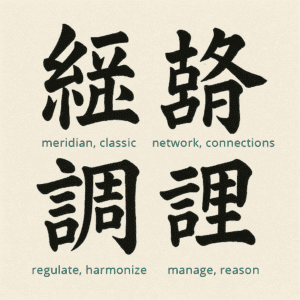
Meridian conditioning is a powerful and holistic practice rooted in the ancient principles of Traditional Chinese Medicine (TCM). It aims to restore the body’s natural balance and flow of energy (Qi) by stimulating the body’s meridians — the invisible channels through which vital energy circulates.
What Are Meridians?
In TCM, meridians are energy pathways that run throughout the body, connecting organs, tissues, and acupuncture points. There are twelve primary meridians, each associated with a specific organ system (such as the liver, heart, lungs, etc.), along with several secondary channels.
When Qi flows freely through these meridians, the body remains in a state of harmony. However, blockages or imbalances in these pathways can lead to pain, fatigue, illness, or emotional stress. Meridian conditioning focuses on clearing these blockages and promoting optimal energy flow.
How Is Meridian Conditioning Achieved?
One of the most effective methods for meridian conditioning is Chinese therapeutic massage, also known as Tuina (推拿).
Chinese Therapeutic Massage (Tuina)
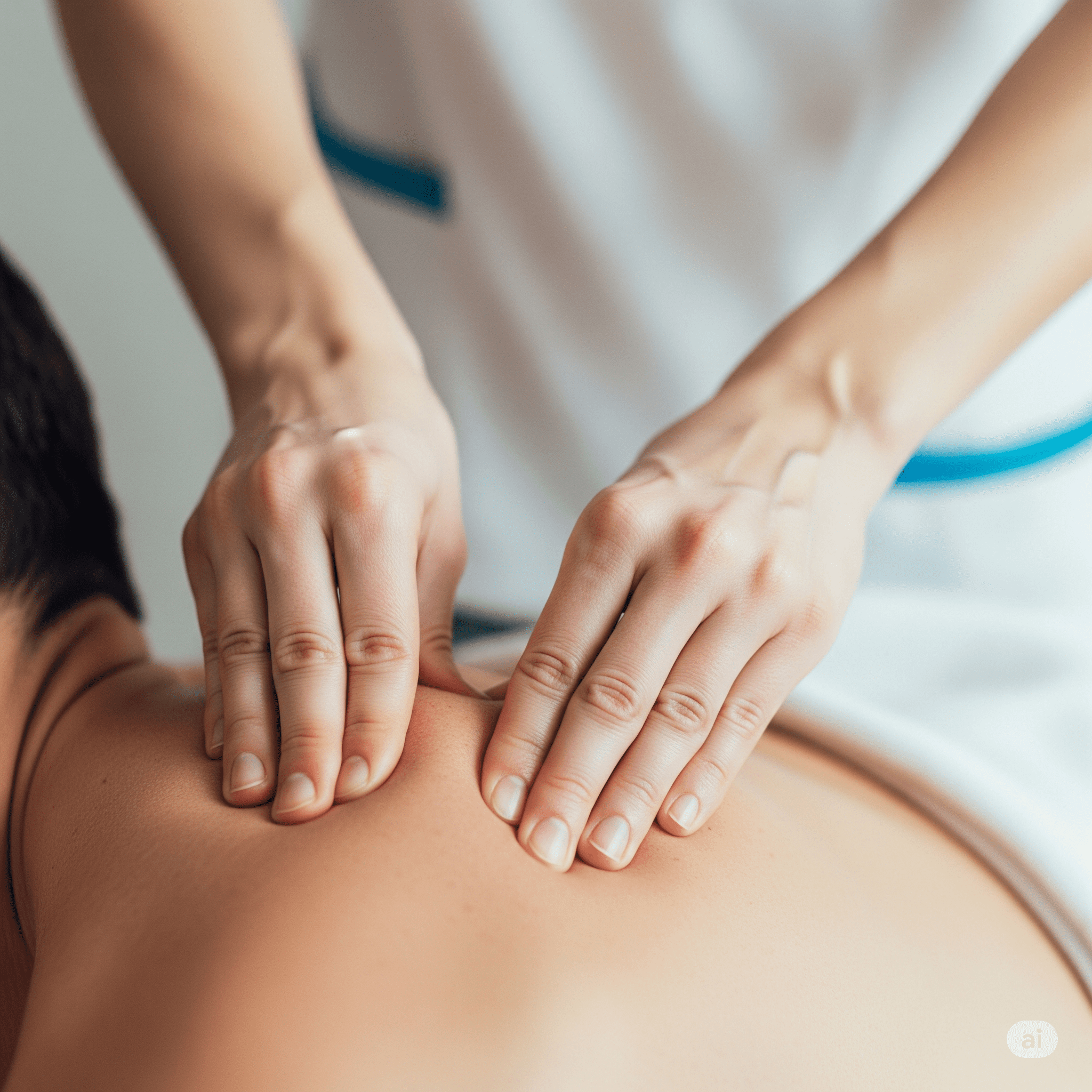
Tuina massage is a hands-on body treatment that uses techniques like kneading, pressing, tapping, and rolling to stimulate meridian points and promote the smooth flow of Qi and blood.
Key Objectives of Meridian Conditioning Through Massage:
Unblock Stagnant Qi and Blood
Gentle or firm pressure is applied along the meridians to break up stagnation, which can be caused by stress, poor posture, or internal disharmony.
Balance Yin and Yang
Massage techniques are used to harmonize Yin and Yang, the dual forces that govern all body functions in TCM. Balancing them helps maintain health and prevent disease.
Stimulate Acupressure Points
Like acupuncture but without needles, Tuina stimulates specific acupressure points (or “acupoints”) to activate healing responses in the body.
Support Organ Function
By working along meridians linked to internal organs, therapeutic massage can enhance digestion, respiration, circulation, and more.
Release Tension and Pain
Targeted massage relieves muscular tension, joint stiffness, headaches, and chronic pain, often more effectively than Western-style massage.
Benefits of Meridian Conditioning
Improves energy and vitality
Enhances circulation and lymphatic flow
Relieves chronic pain and stiffness
Reduces stress and anxiety
Supports sleep and digestion
Boosts immunity and overall wellness
Is Meridian Conditioning Right for You?
Meridian conditioning through Chinese therapeutic massage is safe, natural, and suitable for people of all ages. It can be particularly beneficial for those experiencing:
Fatigue or low energy
Back, neck, or joint pain
Insomnia or poor sleep quality
Emotional stress or anxiety
Poor circulation or cold hands and feet
Conclusion
Meridian conditioning is a core component of Traditional Chinese Medicine, offering a holistic path to health and harmony. Through techniques like Tuina massage, it works deeply yet gently to restore energy flow, release pain, and rebalance the body’s natural rhythms.
At Chinese Massage – Tai Chi Tirana, our certified therapists specialize in meridian-based therapeutic massage. Whether you’re looking for relief, relaxation, or long-term wellness, we’re here to guide you on your journey.
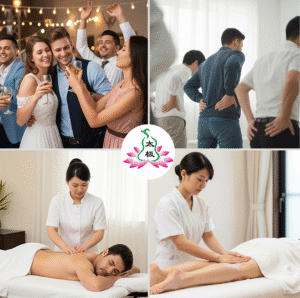
Weddings are magical — radiant with laughter, music, elegance, and unforgettable joy. From the moment the guests arrive, it’s clear this is more than just a ceremony; it’s a celebration of love, life, and connection.
The women come dressed in their most elegant gowns, shimmering with grace and style. High heels click confidently across the floor, carrying them from table to table, from greeting to photo, from toast to dance. The room is alive with conversation, clinking glasses, hugs, and spontaneous laughter. Then comes the music — and the dance floor turns into a joyful blur of movement and celebration.
It’s a night that feels endless. A night full of sparkle, emotion, and pure joy.
But then comes the morning.
Feet ache from dancing in heels for hours. The back stiffens after standing, swaying, lifting, and leaning. The body, though still smiling inside from the celebration, begins to call out for rest and care. That post-wedding fatigue sets in — and it’s real.
That’s when it’s time to take care of yourself.
At Chinese Massage – Tai Chi Tirana, we offer the perfect way to recover from the beautiful chaos of a wedding. Our traditional Chinese massage techniques are designed to relieve tension, reduce pain, and restore balance to your entire body.
Read more at: „Healing Trauma: The Synergy of Massage Therapy and Traditional Chinese Medicine” https://jameshaggertyrecovery.com/blog/recover-tai-chi/
Whether you danced all night, spent hours preparing and celebrating, or simply indulged in every joyful moment — your body deserves recovery. Let our experienced therapists work gently yet deeply on tired feet, tight shoulders, and aching backs.
You celebrated love. Now it’s time to show your body some love too.
Book your post-wedding recovery massage today — and turn the morning after into a moment of calm, care, and complete relaxation.
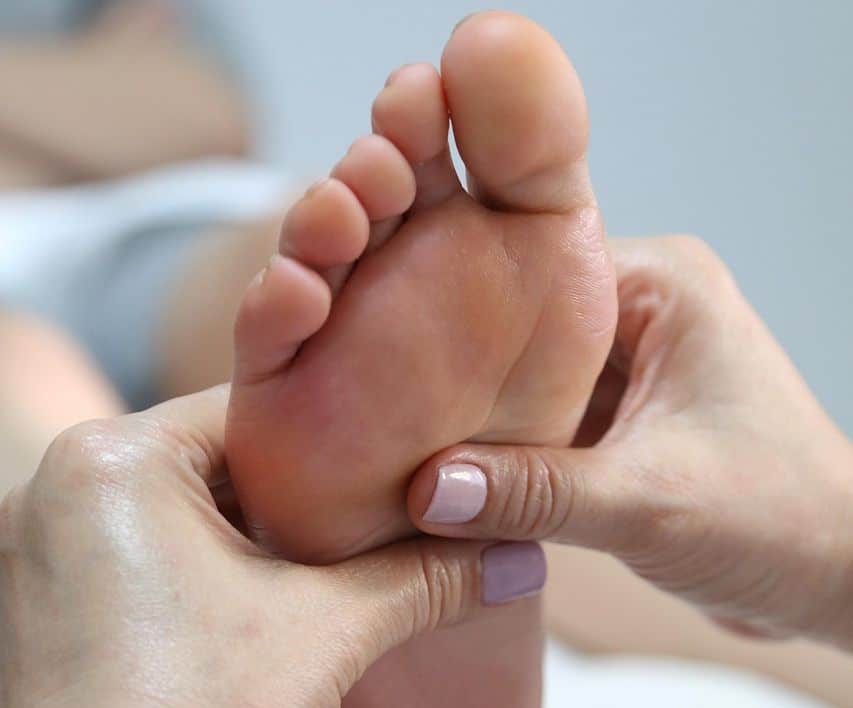
Tired feet? Low energy? Stress building up? Step into the world of Traditional Chinese Medicine with our latest video and experience the powerful benefits of foot massage – a centuries-old therapy that stimulates vital energy points, improves circulation, and brings deep relaxation to your entire body. ✨ Relieve tension ✨ Rebalance your internal energy (Qi) ✨ Improve your sleep and digestion ✨ Support your immune system ▶️ Watch the video now and feel the difference from the very first step.
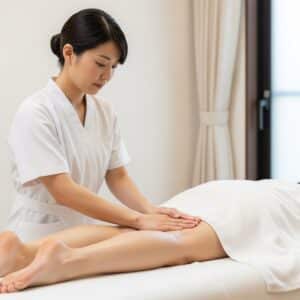
At Chinese Massage – Tai Chi Tirana Wellness Tirana, every traditional Chinese massage session is more than a break – it is an invitation to health, harmony, and profound well-being.
Experience a true moment of calm – your body will thank you.
As we age, especially beyond 40, many of us working in corporate environments begin to experience persistent back pain. Long hours at desks, constant computer use, and the stress of deadlines all contribute to a condition that affects both our productivity and quality of life.
What Causes Back Pain in Corporate Professionals Over 40?
Poor Posture – Sitting for hours without proper lumbar support strains the spine.
Sedentary Lifestyle – Limited physical activity reduces flexibility and weakens back muscles.
Stress and Tension – High-pressure work environments often lead to muscle tightness, especially in the neck, shoulders, and lower back.
Improper Desk Setup – Screens too low, chairs too stiff, or lack of movement breaks can gradually create misalignments.
4 Simple Exercises to Relieve Back Pain in the Office
These quick, discreet exercises can be done right at your desk:
Seated Spinal Twist Sit upright with feet flat on the ground. Place your right hand on the back of your chair and gently twist your upper body to the right. Hold for 10 seconds, then switch sides.
Shoulder Rolls Roll your shoulders forward in a circular motion 10 times, then backward 10 times. Helps release tension and improve posture.
Neck Stretch Tilt your head toward your right shoulder until you feel a stretch on the left side. Hold for 15 seconds. Repeat on the other side.
Standing Backbend Stand up, place your hands on your lower back, and gently arch backward. This counters long hours of leaning forward and sitting.
No Time to Exercise? Try Traditional Chinese Massage For those too busy to follow a stretching routine or working in a rigid environment where movement is limited, Chinese massage offers a powerful alternative. At Chinese Massage – Tai Chi Tirana, we specialize in Traditional Chinese Medicine (TCM) massage and therapy techniques that:
Relieve deep muscle tension
Improve circulation and flexibility
Reduce stress and mental fatigue
Address both acute and chronic back pain
Our experienced therapists tailor each session to your needs, targeting the meridians and pressure points associated with pain and tension.
Important Note: Seek Medical Advice When Needed
While massage and exercises are excellent for maintaining back health and managing everyday discomfort, serious or persistent back pain should always be evaluated by a doctor. However, Chinese massage can play an important supportive role—not only in managing physical pain but also in promoting relaxation and overall well-being.
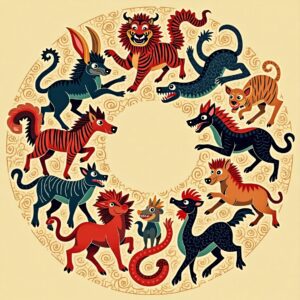
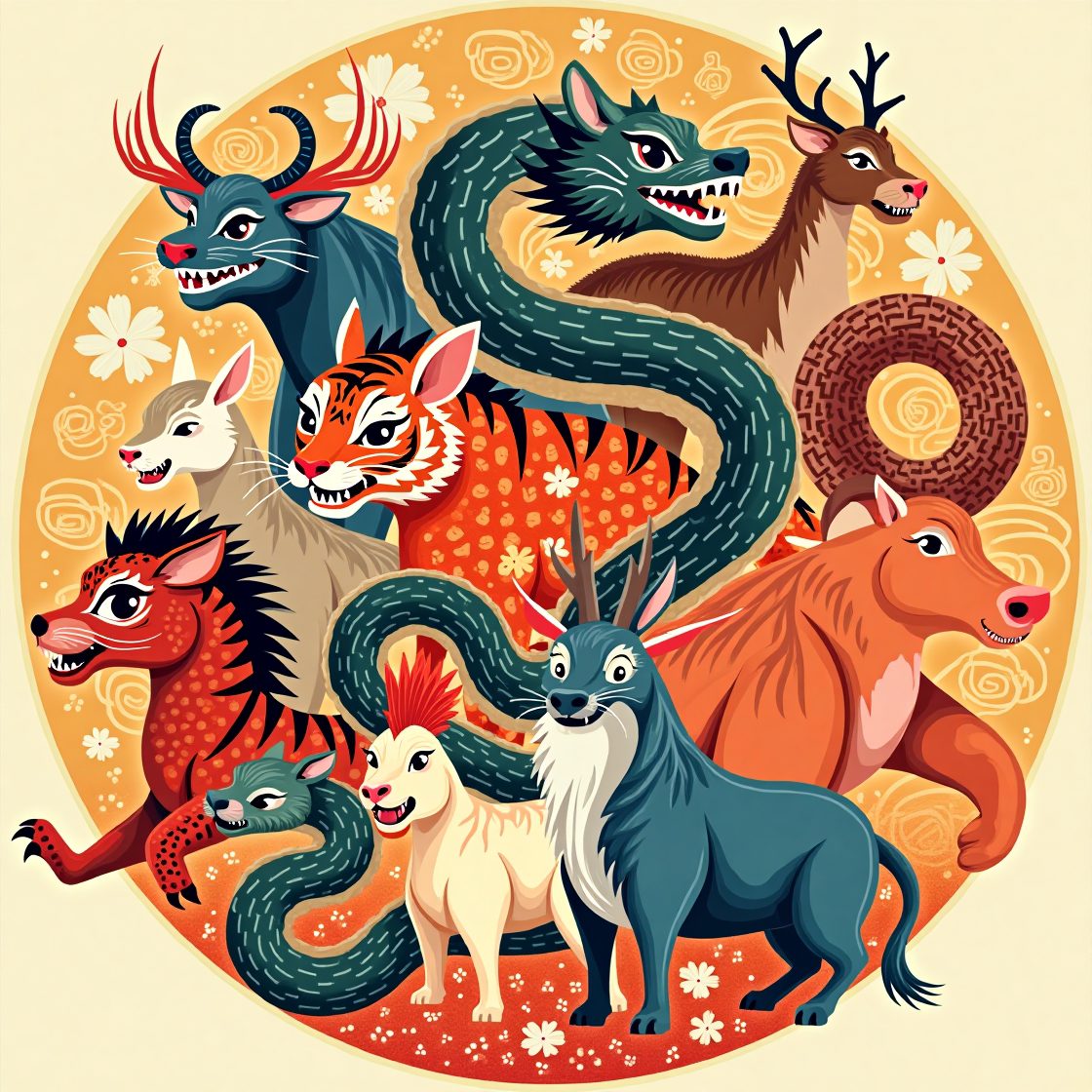
Chinese Zodiac: Animals, Elements & What They Mean for Your Health
The Chinese Zodiac, or Shengxiao (生肖), is a traditional system rooted in ancient Chinese philosophy that assigns an animal and elemental sign to each year in a 12-year cycle. Each year carries specific energies believed to influence our luck, emotions, relationships, and — most importantly for TCM practitioners — our physical and energetic health.
Understanding your zodiac sign is more than a cultural curiosity. In Traditional Chinese Medicine, the animal and element associated with your birth year offer insight into your constitutional tendencies, your vulnerabilities, and the therapies most likely to restore your balance.
The Twelve Animals
The twelve animals in the cycle are: Rat, Ox, Tiger, Rabbit, Dragon, Snake, Horse, Goat, Monkey, Rooster, Dog, and Pig. Each completes one full rotation every 12 years.
Layered over the 12-year animal cycle is a 5-element system — Wood, Fire, Earth, Metal, and Water — that repeats every 60 years, creating a unique combination for each birth year. Your element shapes your energy type, your emotional tendencies, and which organ systems may need the most support.
Every 12 years, when the calendar returns to your birth animal, you enter your Ben Ming Nian (本命年) — your zodiac year. In Chinese tradition this is considered a time of heightened challenge and personal transformation. TCM practitioners often recommend extra attention to health and energy balance during this period, with regular massage and meridian therapy to support the body through the cycle.
Chinese massage — including Tui Na, acupressure, and meridian-based therapies — works in harmony with the body’s Qi (vital energy) to restore balance and promote wellness. In TCM, each zodiac sign is associated with specific organ systems and energy patterns. Understanding these connections helps tailor each session to your constitutional needs.
Rat (2020, 2008, 1996, 1984, 1972) Constitutional tendency: Active mind, prone to overthinking and sleep disturbances. TCM focus: Heart and kidney meridians. Massage to calm the Shen (spirit) and support deep rest.
Ox (2021, 2009, 1997, 1985, 1973) Constitutional tendency: Strong and resilient, but prone to stubbornness and muscular tension. TCM focus: Spleen and stomach meridians. Tui Na for digestive support and shoulder and neck tension relief.
Tiger (2022, 2010, 1998, 1986, 1974) Constitutional tendency: High energy, prone to burnout and liver-related imbalances. TCM focus: Liver and gallbladder meridians. Acupressure to stimulate circulation and emotional clarity.
Rabbit (2023, 2011, 1999, 1987, 1975) Constitutional tendency: Sensitive and empathetic, prone to anxiety and weakened immunity. TCM focus: Lung and large intestine meridians. Gentle meridian massage to strengthen defensive Qi.
Dragon (2024, 2012, 2000, 1988, 1976) Constitutional tendency: Powerful and ambitious, prone to stress-related tension and inflammation. TCM focus: Heart and small intestine meridians. Deep tissue Tui Na to release accumulated tension.
Snake (2025, 2013, 2001, 1989, 1977) Constitutional tendency: Intuitive and reflective, prone to digestive issues and spleen imbalances. TCM focus: Spleen and stomach meridians. Massage to harmonize Qi flow and support detoxification.
Horse (2026, 2014, 2002, 1990, 1978) Constitutional tendency: Energetic and expressive, prone to heart fire and restlessness. TCM focus: Heart and pericardium meridians. Calming massage techniques to settle excess Yang energy.
Goat (2027, 2015, 2003, 1991, 1979) Constitutional tendency: Creative and gentle, prone to worry and spleen Qi deficiency. TCM focus: Spleen and liver meridians. Warming massage and moxibustion to nourish and ground.
Monkey (2028, 2016, 2004, 1992, 1980) Constitutional tendency: Clever and adaptable, prone to nervous system overload and agitation. TCM focus: Lung and large intestine meridians. Head, neck and back massage to calm the nervous system.
Rooster (2029, 2017, 2005, 1993, 1981) Constitutional tendency: Precise and disciplined, prone to respiratory issues and anxiety. TCM focus: Lung meridian. Acupressure and breathing-focused massage to open the chest and strengthen Qi.
Dog (2030, 2018, 2006, 1994, 1982) Constitutional tendency: Loyal and hardworking, prone to worry and digestive weakness. TCM focus: Spleen and stomach meridians. Relaxation-focused Tui Na to relieve accumulated stress.
Pig (2031, 2019, 2007, 1995, 1983) Constitutional tendency: Generous and kind, prone to overindulgence and kidney Qi depletion. TCM focus: Kidney and bladder meridians. Restorative massage to replenish energy reserves and support immunity.
Beyond your birth sign, the year you are living in also carries its own animal and elemental energy — and this interacts with your personal constitution. Some signs will find the current year’s energy harmonious and supportive. Others may experience elemental clashes that make certain organ systems more vulnerable. Our TCM practitioners can help you understand both your constitutional tendencies and the current year’s influence on your health.
Book a Personalised Chinese Massage
At Chinese Massage – Tai Chi Tirana, we tailor each session to your body’s unique needs — guided by Traditional Chinese Medicine, your zodiac constitution, and your personal health goals. Whether you are in your Ben Ming Nian or simply seeking deeper balance, we are here to help.
Your health, energy, and balance are our priority.
Chinese Massage - Tai Chi Tirana is the trading name of Yang Wang (persone fizike), registered as Tai Chi - TCM Wellness and Health Center, NUIS M51616036C. · Privacy Policy


 Experience a true moment of calm – your body will thank you.
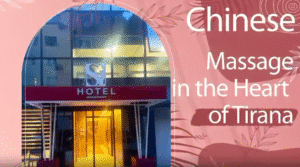
 Find us in Tirana.

 Chinese zodiac